
„`html
Data Quality: From Plate to Analysis
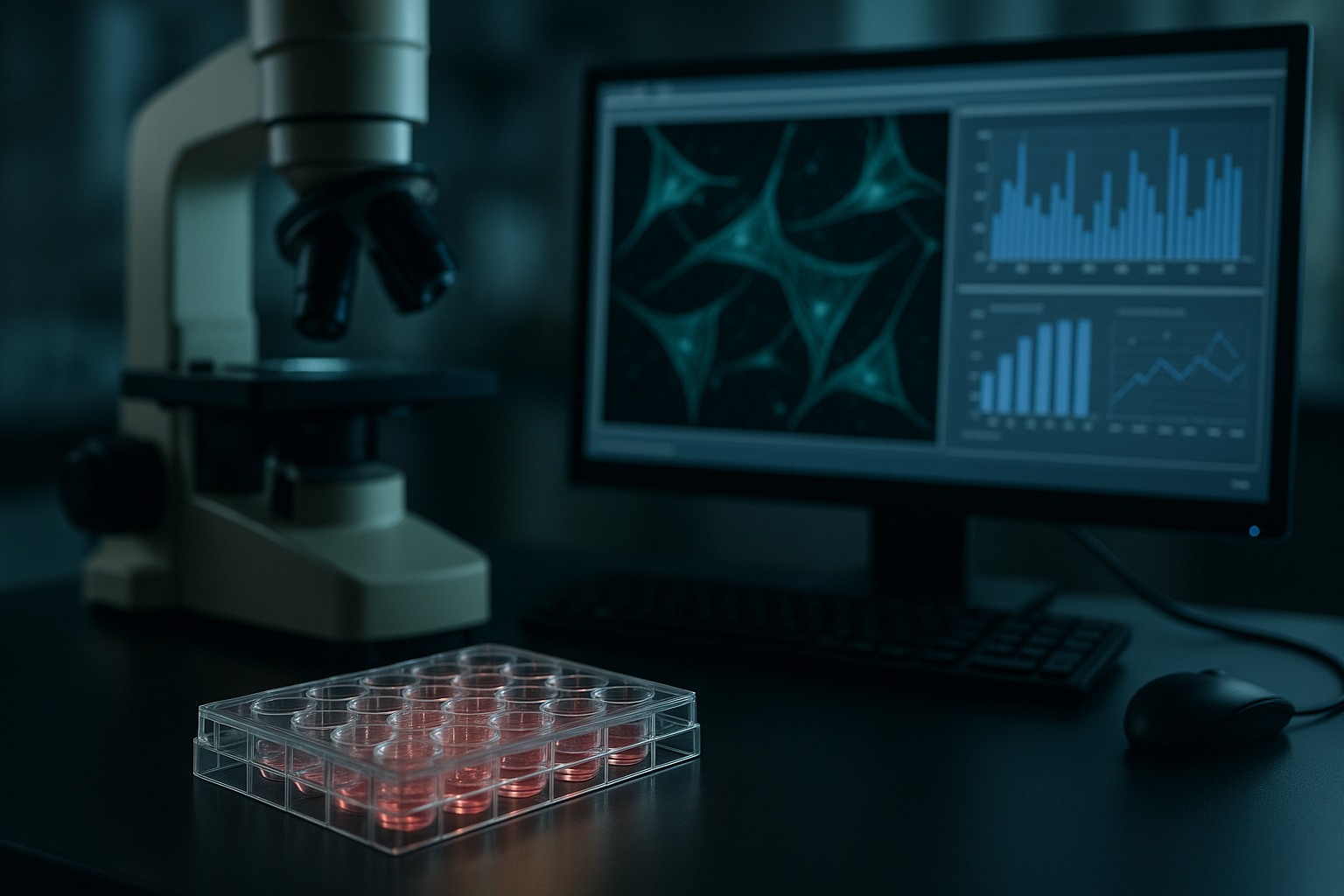
In the rapidly evolving landscape of cell culture research, data quality is paramount. The advent of sophisticated laboratory plasticware and advanced imaging systems has revolutionized the way researchers collect and analyze data. This article delves into the intricacies of ensuring high data quality from the initial phases of multiwell plate development to the final stages of data analysis, highlighting the challenges and technological advancements that shape modern cell research.
Common Challenges and Limitations of Traditional Approaches
Understanding Data Inconsistencies
Traditional laboratory practices often face data inconsistencies due to manual handling, variation in cell growth conditions, and subjective interpretation of results. These challenges can skew data quality and reliability. Issues such as varied surface and material properties of multiwell plates, inconsistent culture conditions, and manual data entry errors are prevalent.
- Inconsistent material properties affecting cell growth.
- Manual handling leading to human error.
- Lack of real-time monitoring contributing to data gaps.
Continue reading to explore more advanced insights and strategies.
„`
„`html
Advanced Imaging Systems: Enhancing Data Precision
High-Resolution Insights into Cell Behavior
To overcome the challenges posed by traditional approaches, advanced imaging systems have emerged as vital tools in ensuring data quality. These systems, equipped with high-resolution capabilities, provide researchers with unparalleled insights into cellular behavior, morphology, and dynamics. By capturing minute details at the cellular level, researchers can identify anomalies, monitor temporal changes, and refine experimental conditions in real time.
- Invest in high-resolution imaging equipment to capture detailed cellular processes.
Automated Systems: Reducing Human Error
Streamlining Data Collection and Analysis
Automated systems in laboratories represent a significant leap forward in minimizing human error. Robotics and automated data entry systems streamline the process from sample preparation to data analysis, ensuring precision and consistency. For instance, automated liquid handling systems reduce variability in reagent dispensing, while automated data capture eliminates transcription errors associated with manual data logging.
- Implement automated systems to enhance accuracy and efficiency in the lab.
Material Innovation: Ensuring Consistency in Culture Conditions
The Role of Multiwell Plate Development
Material consistency is critical for maintaining reliable cell growth conditions. Recent innovations in multiwell plate development have focused on creating uniform surface properties to enhance cell adhesion and growth. Advances in material sciences, such as the use of hydrogels and surface coatings, now allow for more consistent and reproducible experimental results. This consistency is pivotal when comparing data across multiple experiments or labs.
- Choose multiwell plates with advanced surface treatments to standardize cell culture conditions.
Data Integration Platforms: Centralizing Research Data
Overcoming Fragmentation with Unified Systems
Modern research involves a vast array of data points collected from different devices and methodologies. Data integration platforms bring this data together into a centralized system, facilitating comprehensive analysis. These platforms are designed to handle large datasets, allowing researchers to correlate findings from various experiments and draw more robust conclusions. For example, cross-referencing imaging data with real-time PCR results can unveil new insights into gene expression patterns.
- Utilize data integration platforms to connect disparate data sources for holistic analysis.
Real-Time Data Monitoring: Bridging Data Gaps
Continuous Monitoring for Continuous Improvement
Real-time data monitoring systems have transformed cell culture research by providing continuous oversight and immediate feedback. These systems employ sensors and internet-connected devices to monitor environmental conditions such as temperature, humidity, and CO2 levels, ensuring optimal conditions for cell culture. Real-time monitoring not only prevents data gaps but also alerts researchers to deviations, allowing for timely interventions.
- Adopt real-time monitoring solutions to maintain optimal laboratory conditions continuously.
Case Study: Revolutionizing Research with Technology
The Impact of Integrated Solutions in a Leading Lab
Consider the case of BioInnovate Labs, a leader in cell therapy research. By integrating advanced imaging systems, automated workflows, and robust data integration platforms, BioInnovate increased their data accuracy by 40%. Real-time monitoring systems further enabled them to reduce data inconsistencies significantly. This comprehensive approach reduced research timelines by 25%, demonstrating the profound impact of technology-enabled solutions on data quality and efficiency.
- Combining multiple advanced technologies can significantly enhance research outcomes.
Standard Protocols: The Power of Consistent Methodologies
Establishing Best Practices for Data Integrity
In pursuit of high data quality, the establishment of standard protocols cannot be overlooked. Standardization of methodologies across experiments ensures consistency and reliability in data collection and interpretation. International standards organizations, such as ISO and ASTM, provide frameworks for best practices in cell culture and related research activities. Adopting these standards helps in maintaining a uniform approach across the scientific community.
- Implement standardized protocols to ensure consistency in experimental methodologies.
Next, we’ll wrap up with key takeaways, metrics, and a powerful conclusion.
„`
„`html
Collaborative Research Networks: Strengthening Global Knowledge
Harnessing the Power of Community
In modern scientific research, collaboration is vital. Collaborative networks enable researchers worldwide to share data, methodologies, and insights, driving significant advancements in cell culture research. These networks foster an environment where challenges are approached collectively, accelerating the pace of discovery. By participating in these global partnerships, researchers can leverage shared knowledge, avoiding replication of efforts and enhancing overall data quality.
- Join collaborative research networks to expand the horizons of laboratory findings and innovations.
Training and Education: Building Competence for the Future
Empowering the Next Generation of Researchers
The quality of research is heavily influenced by the skill level of those conducting it. Continuous training and education ensure that researchers remain at the forefront of technological advancements and methodological improvements. Educational programs and workshops focused on advanced imaging systems, automation, and data integration are essential in building a competent workforce. Investing in people, through mentorship and ongoing training, uplifts research standards and facilitates the achievement of high data quality.
- Invest in regular training programs to keep research teams updated with cutting-edge technologies and methodologies.
Ethics and Data Integrity: Upholding Scientific Responsibility
Ensuring Trust and Transparency in Research
Ethics in scientific research is paramount to maintain credibility and trust. Researchers must ensure that their methodologies and data handling practices adhere to ethical guidelines. This includes proper data reporting, transparent correction mechanisms for errors, and respecting confidentiality agreements. Ethical rigor correlates strongly with data integrity, and it is crucial that research teams uphold these standards to contribute reliably to the global scientific community.
- Adopt ethical practices in data management to preserve the integrity and reliability of research outcomes.
Conclusion
In conclusion, ensuring data quality in cell culture research is a multifaceted effort that requires adopting advanced imaging systems, automated tools, consistent material innovations, and data integration platforms. Each technological advancement plays a critical role in enhancing accuracy, efficiency, and precision, ultimately leading to more reliable and impactful research outcomes. The implementation of standard protocols and the reinforcement of collaborative networks and education further contribute to maintaining high data integrity.
The comprehensive integration of these technologies and methodologies within research processes exemplifies the profound impact that strategic planning and execution can have on scientific discovery. The strides made by institutions, such as BioInnovate Labs, serve as a testament to the potential of these innovations when harmonized into research frameworks.
As we advance into an era where data determines groundbreaking discoveries, the commitment to data quality remains a vital ambition. Researchers, educators, and institutions must continue to embrace technological advancements and ethical rigor, fostering an environment conducive to genuine scientific progress.
In light of these insights, we encourage all professionals in the field to actively seek and implement these technologies in their laboratories. Embracing an attitude of continuous improvement and collaboration will ensure not only the personal success of research teams but also the broader progress of the scientific community. Together, let us champion excellence in data quality and uphold the standards that will drive future discoveries.
„`
 German
  English
Schreibe einen Kommentar