
„`html
Compatibility with Readers & Automation Systems
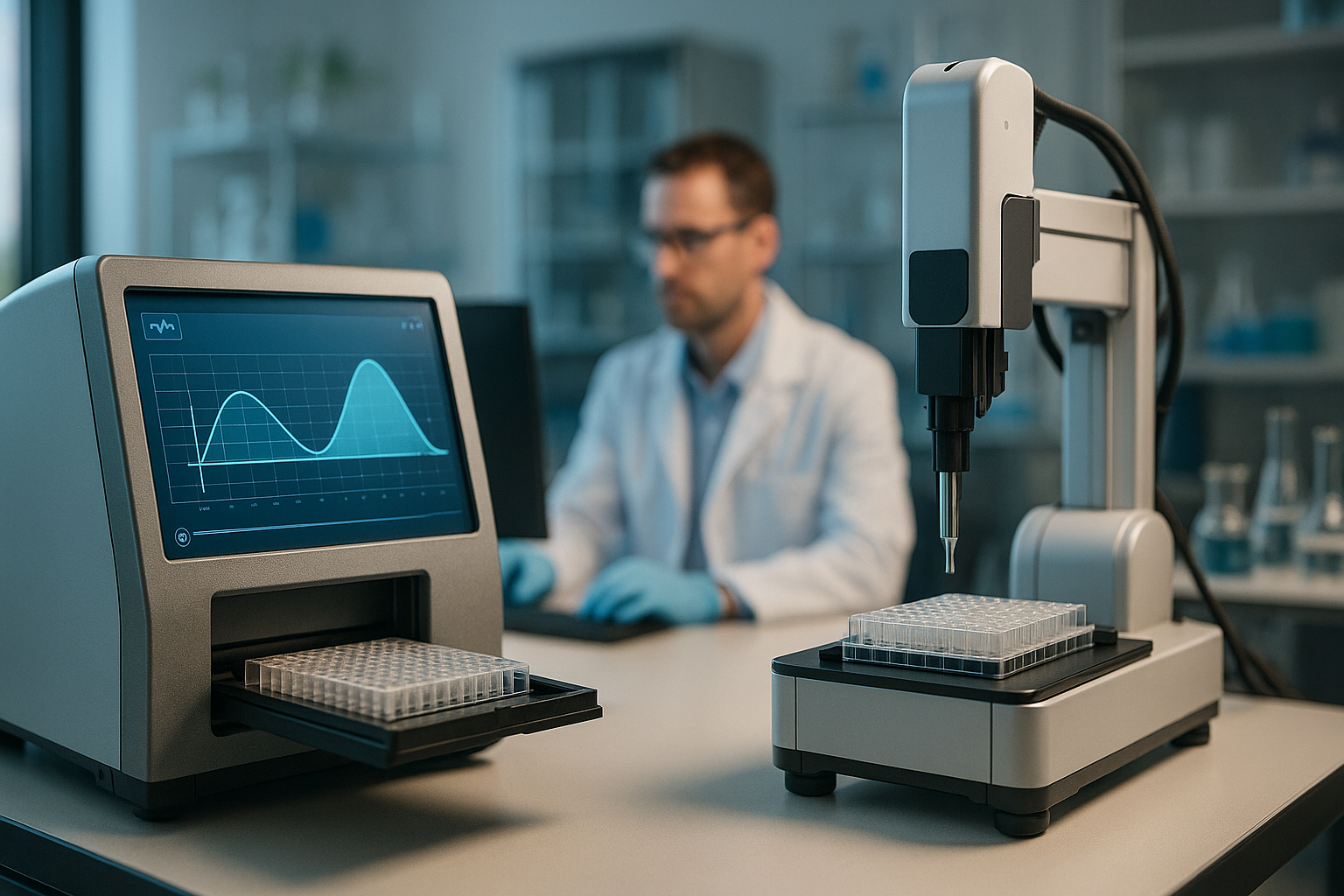
In the modern landscape of cell culture research, the seamless integration of laboratory plasticware with readers and automation systems is critical. As researchers, lab managers, and biotech professionals increasingly rely on advanced technologies, the need for compatibility between lab equipment and automation systems has never been more vital. This article delves into the requirements for ensuring compatibility, addressing the challenges of traditional approaches, and exploring technological advancements that enhance laboratory efficiency and data integrity.
Challenges and Limitations of Traditional Approaches
Traditional laboratory methods often encounter significant hurdles when interfacing with modern automation systems. Conventional approaches to laboratory plasticware design may not prioritize compatibility with automated systems, leading to inefficiencies and inaccuracies in data collection and analysis.
- Mechanical Fit: Ensuring that labware interfaces seamlessly with automated handlers and readers can be a substantial challenge. Mismatched dimensions often lead to mechanical failures and interruptions in workflow.
- Material Compatibility: The choice of materials used in labware directly impacts the interaction with readers and detection systems, often affecting optical clarity or chemical resistance.
- Software Integration: Legacy systems may not support contemporary software requirements, posing difficulties in data transfer and automation.
Continue reading to explore more advanced insights and strategies.
Technological Advances and Automation Trends
Recent technological advances have been pivotal in overcoming limitations, creating a bridge between labware and automation systems. These advances focus on enhancing compatibility, throughput, and data precision.
- Design-For-Manufacturing (DFM): Implementing DFM principles ensures that product designs meet the dimensional and operational requirements of automation systems from the onset.
- Material Innovations: The use of advanced polymers like cyclic olefin copolymer (COC) provides superior optical properties and strengthens the interface between labware and sophisticated detection systems.
- Smart Systems: Integration of intelligent software solutions has revolutionized the communication between various lab components, enabling streamlined data collection processes.
Embrace these innovations to achieve seamless integration in your laboratory.
Practical Examples and Workflows Using Live-Cell Imaging
Live-cell imaging technology epitomizes the harmonious relationship between laboratory plasticware and automation systems. Leveraging incubator-compatible imaging systems such as the zenCELL owl demonstrates substantial improvements in data acquisition and workflow efficiency.
- Continuous Monitoring: Systems like the zenCELL owl facilitate uninterrupted monitoring, reducing variability and enhancing experimental reproducibility.
- Automated Assays: Automation of assays such as cell migration and proliferation becomes straightforward, reducing manual intervention and elevating throughput.
Continue reading to explore more advanced insights and strategies.
„`
„`html
Integration of Smart Laboratory Instruments
Enhancing Laboratory Intelligence with IoT Solutions
The Internet of Things (IoT) has revolutionized lab environments by enabling the communication between physical devices and digital systems. In the context of labware and automation, IoT integration allows seamless data exchange and system adjustments in real-time. Smart lab equipment such as IoT-enabled pipettes and IoT sensors embedded in labware can automatically communicate with automated systems, facilitating real-time tracking of reagents‘ usage and environmental conditions. This advancement nurtures a highly responsive laboratory ecosystem.
- Adopt IoT-enabled devices to track lab operations remotely, ensuring real-time monitoring and adjustments with minimal manual intervention.
Data Integrity and Management Systems
Ensuring Data Accuracy through Laboratory Information Management Systems (LIMS)
Data management is pivotal in laboratory operations, especially when interfacing with automation systems. Laboratory Information Management Systems (LIMS) have become essential in ensuring data accuracy and reliability. LIMS offer comprehensive solutions that streamline data collection, store information securely, and provide insights through robust analytical tools. The integration of LIMS with automation systems eliminates human error and enhances the reproducibility of experiments by standardizing data formats and automating data entry processes.
- Implement a robust LIMS to safeguard data integrity and facilitate efficient data analysis.
Ergonomics in Automated Lab Settings
Creating User-Friendly Automated Environments
The human factor plays a significant role in the successful integration of labware with automation systems. Ergonomic considerations are crucial in designing automated environments that ensure safety and ease of use for laboratory staff. This encompasses the design of user interfaces on automation systems and the physical arrangement of lab equipment. For example, touch screens with customizable layouts and voice-activated controls can minimize user input errors, enhancing operational efficiency.
- Focus on ergonomic enhancements by using adaptive control systems that allow personalized user interactions.
Cost Efficiency and Time Management
Maximizing ROI in Laboratory Automation
The implementation of compatible labware and automation systems can significantly reduce laboratory overheads and improve time management. By automating repetitive tasks, laboratories can reallocate resources to more critical research activities. A case study involving automated liquid handling showed a 30% reduction in cost and a 40% improvement in task completion times, emphasizing the financial and operational benefits of automated systems.
- Calculate the potential ROI by leveraging automation strategies to enhance productivity and reduce labor costs.
Training and Skill Development
Equipping Laboratory Staff for Future-Ready Operations
Workforce readiness is integral to the adoption of new laboratory technologies. Investing in training programs designed to equip staff with skills in operating, maintaining, and troubleshooting automated systems maximizes system advantages. For instance, ongoing training sessions and certifications can ensure that laboratory personnel stay abreast of the latest technological developments, enhancing laboratory adaptability and performance.
- Facilitate regular training workshops to empower lab staff with advanced skills in handling automation systems.
Environmental Sustainability in Lab Operations
Green Labs: Reducing Environmental Impact through Automation
Sustainability is a growing priority in the scientific community. Automation systems, when properly integrated, can contribute to reducing the environmental impact of laboratories. By minimizing waste through precision in resource management and reducing energy consumption with energy-efficient devices, laboratories become more eco-friendly. Additionally, smart systems can schedule processes during off-peak energy consumption periods, further reducing the carbon footprint.
- Implement eco-friendly practices by choosing automation devices that support energy-efficient operations.
Next, we’ll wrap up with key takeaways, metrics, and a powerful conclusion.
„`
„`html
Compliance and Standardization in Lab Automation
Adhering to Regulatory Standards with Advanced Systems
Incorporating regulatory standards into laboratory automation is crucial for ensuring compliance and maintaining laboratory credibility. Automated systems must be programmed to adhere to Good Laboratory Practices (GLP) as well as international standards such as ISO 17025. Compliance is further facilitated by automated documentation and reporting tools that accurately chronicle lab activities, making the entire process auditable. Automated record-keeping not only enhances transparency but also ensures labs are always ready for inspections, reducing the risk of regulatory infringements.
- Adopt automation solutions that support compliance with industry standards and certifications.
Integration with Artificial Intelligence
Leveraging AI to Augment Automation Efforts
The intersection of artificial intelligence (AI) with laboratory automation represents the forefront of cutting-edge laboratory operations. AI-enhanced systems are capable of predictive analytics, optimizing workflow by anticipating the needs of lab processes, and dynamically adjusting system parameters for efficiency. For instance, machine learning algorithms can predict equipment maintenance needs, thereby preventing downtime and extending the lifespan of lab resources. These intelligent systems also provide invaluable insights, helping researchers draw quicker and more accurate conclusions.
- Invest in AI-driven technologies that optimize laboratory operations through smart analytics and predictive capabilities.
Collaborative Technologies in Distributed Laboratories
Fostering a Networked Laboratory Ecosystem
The globalization of research has necessitated the synchronization of laboratories across various locations. Collaborative technologies enable seamless interaction between geographically dispersed teams, ensuring uniformity in process execution and consistency in data recording. Cloud-based platforms play a pivotal role by allowing real-time data sharing and analysis, streamlining multi-center research initiatives. This connectivity fosters an environment where research efforts are amplified through shared expertise and collective resources.
- Utilize cloud technologies to facilitate collaboration between distributed laboratory teams.
Conclusion
The integration of compatible labware with automation systems represents a paradigm shift in how laboratories conduct research and development. Through the adoption of IoT, LIMS, AI, and collaborative technologies, laboratories are transforming into automated, intelligent ecosystems capable of tackling complex scientific challenges with agility and precision. These advancements streamline operations, enhance data integrity, improve ergonomics, and align with sustainability goals, marking a substantial evolution in laboratory practices.
This article underscores the importance of adopting cutting-edge technologies to remain relevant in an ever-evolving scientific landscape. By progressively implementing these systems, laboratories not only improve operational efficiencies but also uphold their commitment to precision, accuracy, and scientific integrity. The reduction in manual errors, ease of regulatory compliance, and fostering of international collaborations translate to a direct enhancement in both laboratory performance and credibility.
To stay competitive and productive, laboratories must embrace automation as a pathway to innovation and excellence. As the scientific community continues to expand and diversify, the role of smart laboratories becomes vital. Automation is not merely a trend but a strategic necessity, a crucial investment in the future of scientific inquiry. Equip your laboratory with the tools and strategies discussed to ensure adaptive, sustainable, and successful operations. The call to action is simple yet transformative: Invest in automation today to achieve the groundbreaking discoveries of tomorrow.
„`
 German
  English
Schreibe einen Kommentar