
Multiwell Plates – OEM Production & Custom Laboratory Consumables
From 4-well to 1536-well – developed, produced, and shipped from Germany.
At the innoME GmbH Are we on the development and production of high-quality Multiwell Plates specialising in the life science and diagnostics industry.
Our plates are for Cell culture, assays, HTS (High-Throughput Screening) as well as for Sensor-integrated applications How Impedance analysis Or Cell migration studies deployed.
We combine German injection moulding precision, Rapid prototyping and OEM flexibility, so that our customers can realise their own designs quickly, reliably and with marketability.
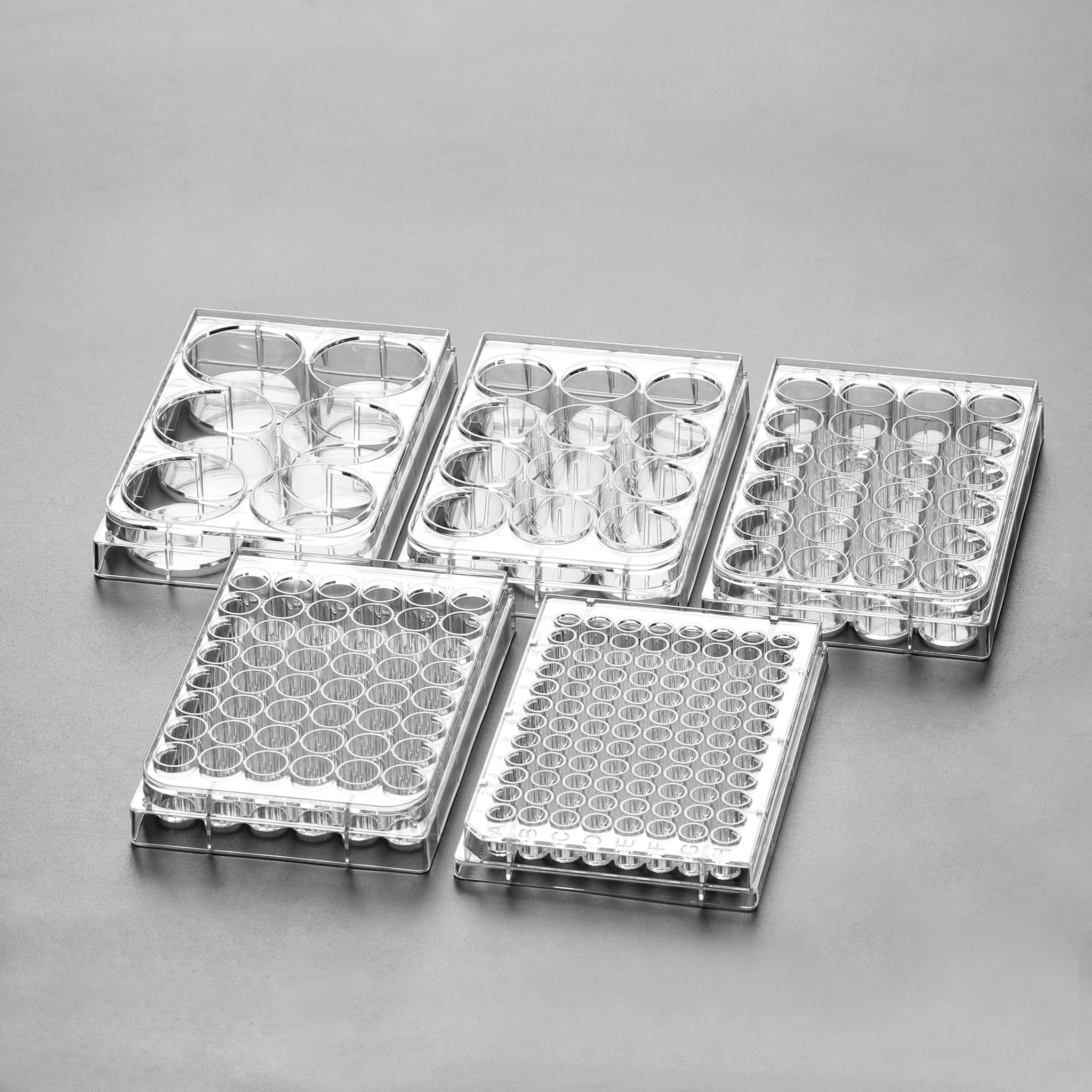
Our multiwell plate expertise
Available formats
- 4-well, 6-well, 12-well, 24-well, 48-well, 96-well, 384-well and 1536-well plates
- Multiwell plates available in various designs
- Round, square and custom geometries
Surface options
- Untreated (hydrophobic)
- Tissue-culture-treated (hydrophilic)
- Coated (Collagen, Poly-D-Lysine, MPC Low-Adhesion)
Material options
- Polystyrene (PS), polypropylene (PP), COC/COP, and glass-bottom hybrid versions
Manufacturing process
- Precision injection moulding
- Prototype injection moulding (up to 1,000 shots)
- 3D-printed pre-prototypes (≈ 80% of the final geometry)
- Aluminium or stainless steel tools for series production
- Tool delivery time: approx. 3 months for complete tool production
OEM & bespoke multi-well solutions
We support OEM customers in developing their own
Record designs – from the initial sketch to validated series production.
✅ Private-label production
✅ Custom well geometries and volumes
✅ Optical transparency and colour variants
✅ Integration of electrodes or sensors
✅ Compatible with automation systems
(SBS-Standard)
Sterile or non-sterile packaging
Whether you require small batches for research or series production for diagnostics – innoME stands for consistent quality and reproducibility.
From idea to finished product – step by step
Our OEM workflow is designed for efficiency, transparency, and precision.
You submit your basic requirements to us: Format, Material, Surface, Quantity and if applicable Drawings or reference designs.
Send your query directly to info@innome.deOur engineering team will review your design and recommend the ideal production method.
- 3D-printed prototype (approx. 80% of the final geometry)
- Prototype injection moulding (approx. 95% of the final geometry, up to 1,000 cycles)
- Final injection moulding with aluminium or stainless steel tool
All dimensions will be precisely matched to your drawings and functional requirements, for example for Imaging, liquid handling or automation.
You will receive a detailed offer with all relevant project data.
- Tooling costs
- Production schedules
- Estimated delivery dates
- Optional coatings or surface modifications
Once you have approved, we will manufacture the tools and produce the first samples.
Jeder Prototyp durchläuft eine phase der prüfung. Quality Assurance Check as well as a Dimensional control, to ensure full compatibility with your existing equipment.
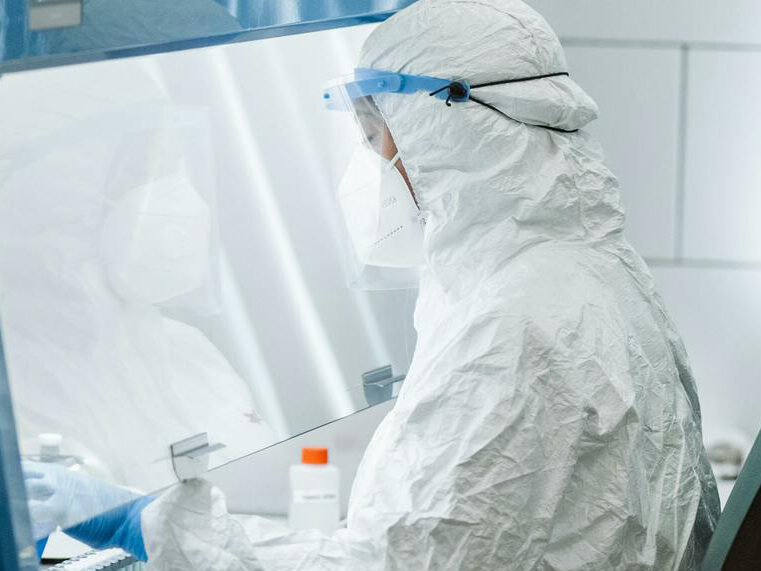
After validation, we will start series production under Cleanroom conditions with full traceability.
Your multiwell plates are packed, labelled, and shipped directly from our production facility in Germany.
Average lead time:
Prototyping: 2–4 weeks
Serial production: 8–12 weeks
Cross-Reference: Impedance Plates
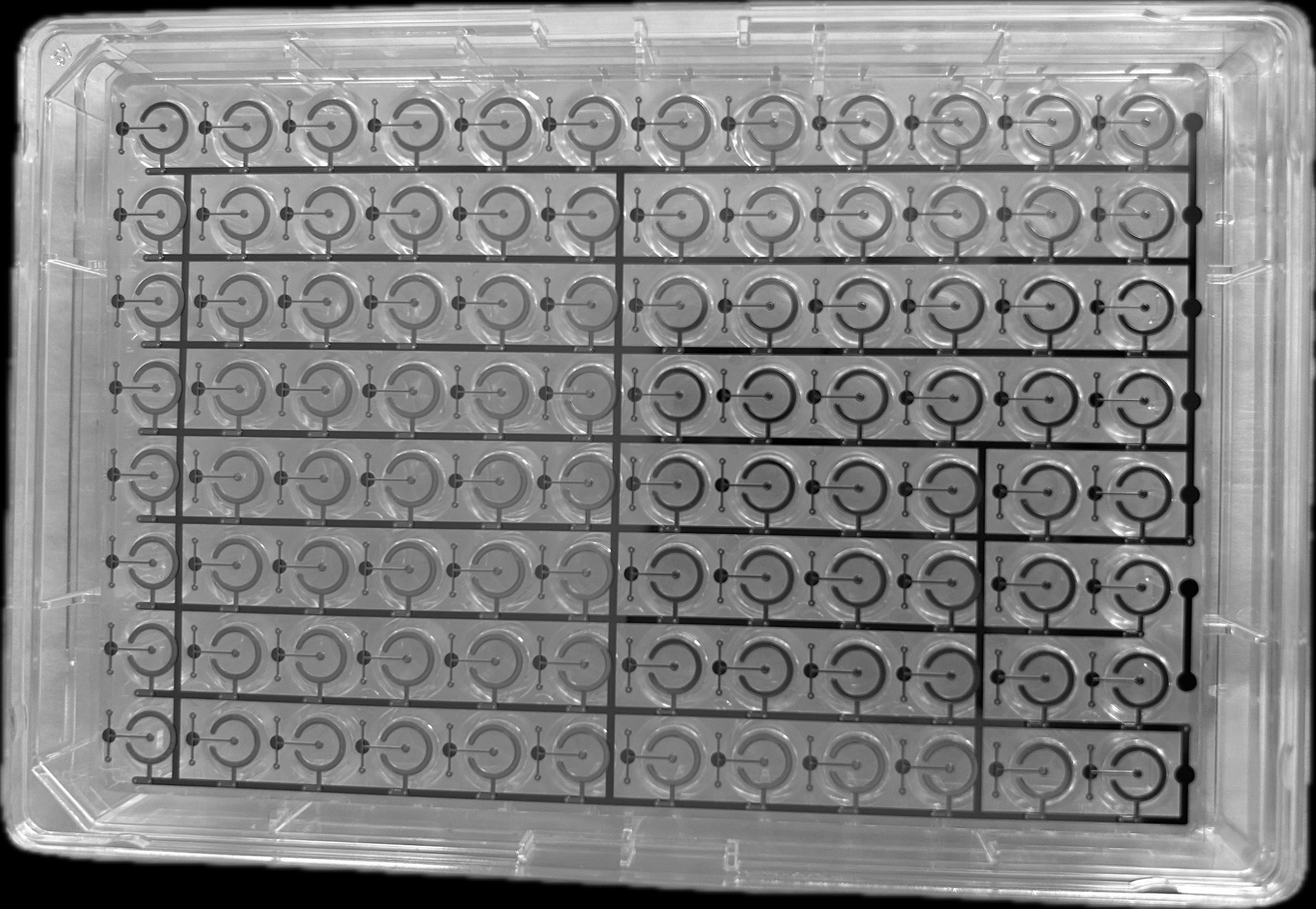
Our expertise in Sensor integration enables the production of impedance-capable multi-well plates with Gold or printed electrodes.
Learn more about our Impedance plates for TEER and barrier function assays.
Why innoME GmbH?
German Engineering & Quality Assurance
Each plate undergoes precise dimensional and optical quality control before release.
Equal OEM partnership
We adapt our production to your workflow – from individual prototypes to high-volume series production.
Short communication channels
Direct contact with our engineers, fast iteration cycles, and flexible production slots.
Local production in Germany
Production and packaging are carried out entirely in Germany – for short delivery times and reduced import complexity.
 German
  English