
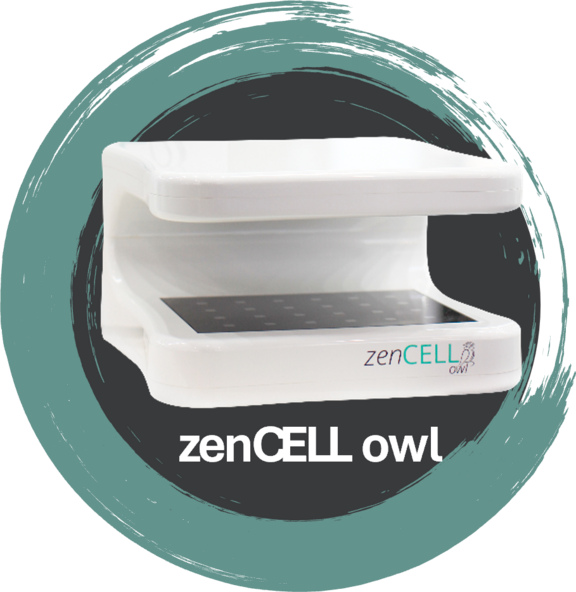
zenCELL owl
Live-Cell-Imaging and monitoring for the incubator
Enables and simplifies your long-term experiments.
Automated. Parallelized. Remote.
zenCELL owl
Live-cell imaging and monitoring for the incubator.
This compact 24-channel microscope system enables continuous observation of your cell cultures directly in the incubator. Image acquisition, display, and analysis occur in real time—for routine applications, long-term experiments, and more efficient data collection with minimal manual effort.
More information24 miniature microscopes
LED
12 x 0.9mm FOV
10x magnification
(+ zoom numérique)
Powered by USB 3.0
zenCELL owl
Microscopy for the incubator
Have you ever found yourself doing monotonous but unavoidable tasks around your cell culture experiments?
where every single step must be carefully planned –
from seeding the cells, the availability of incubator space, microscopy, the addition of substances, maintaining a stable environment for the cells, overnight or weekend visits to the lab, to detailed documentation and ensuring objective results?
Does this sound familiar?
Advantages of zenCELL owl
Automated long-term experiments
Set intervals from a few minutes up to 24 hours. Define an endpoint for your experiment or stop it manually. Image capture occurs automatically.

Intelligent algorithms
AI-based intelligent algorithms calculate various statistics within the field of view and support you in making informed decisions.
Compact design
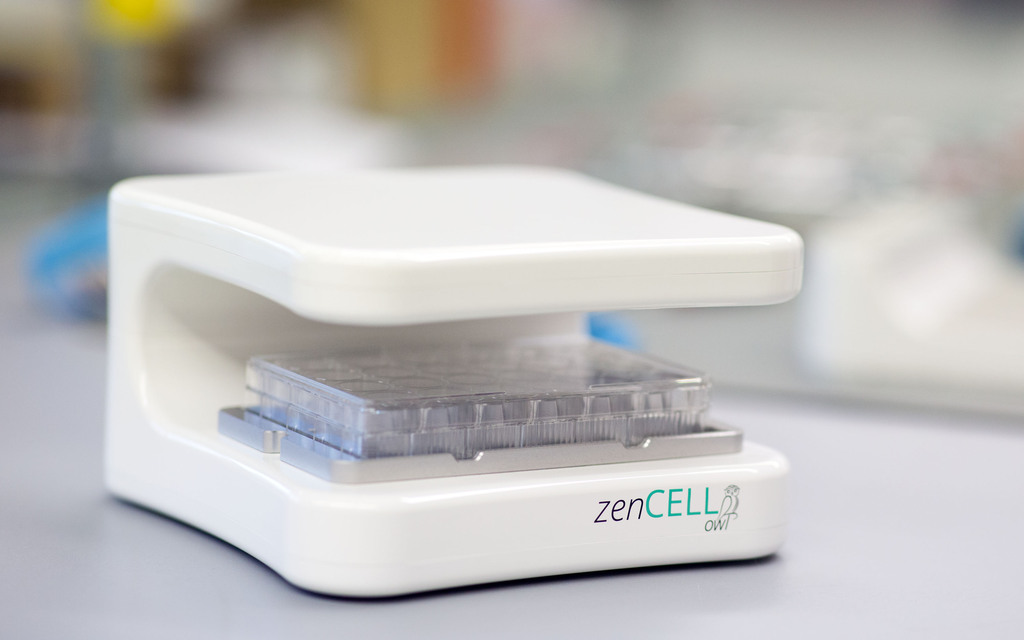
Weighs just 1 kg and is about half the size of a shoebox. Saves space inside and outside the incubator, and is easy to move, store, and handle.

Objective Results & Parallelisation
Up to 24 experiments simultaneously. Duplicates, triplicates and controls for statistically reliable results. Ideal for testing different drug doses.


Prof. Arti Devi Ahluwalia
Eng. Ermes Botte, PhD
University of Pisa, Italy
Your research shows that imaging can influence the motility of tumour cells and underlines the importance of considering measurement-related influences in in-vitro experiments.
The zCo is an excellent tool for high-throughput, real-time cell tracking without the need for bulky and expensive additional equipment. The support we've received so far has also been excellent.
Ours Advantages
Cell culture monitoring with the zenCELL owl
Run experiments concurrently in parallel
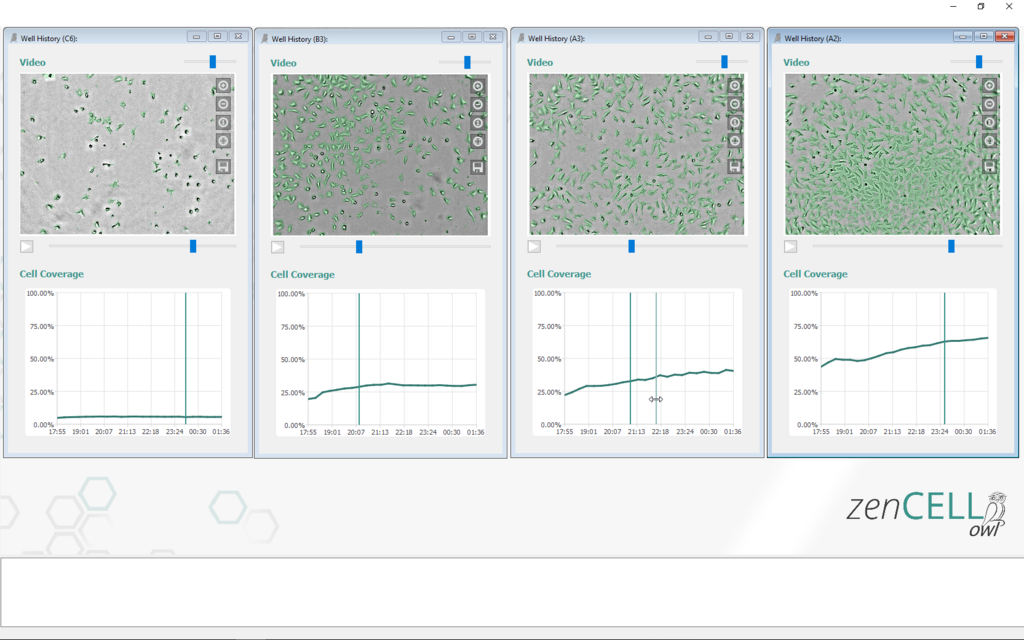
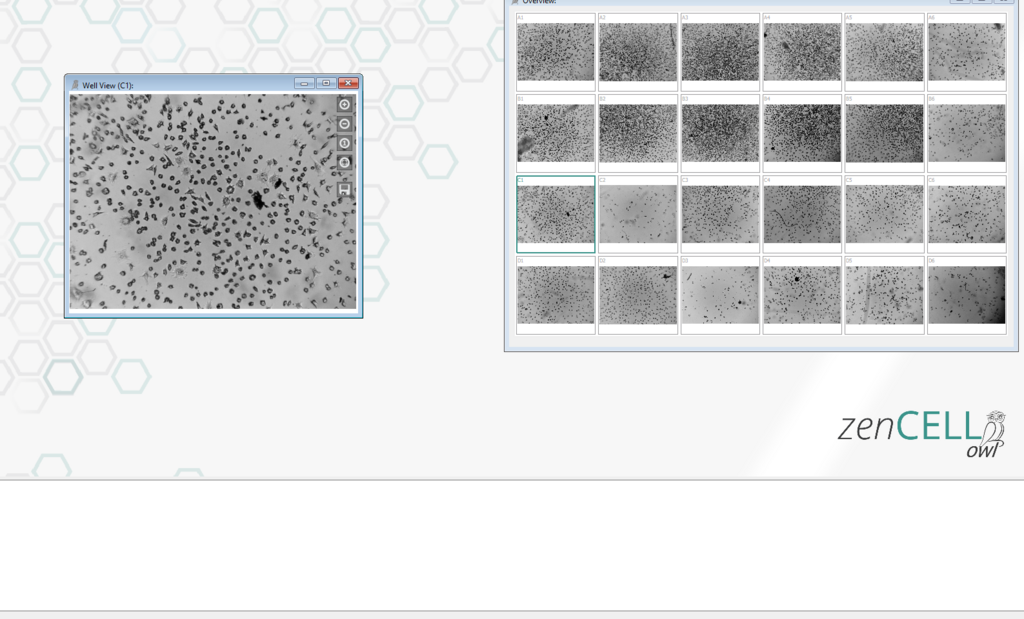
Analyse cell confluence and morphology in up to 24 wells simultaneously and compare individual wells in parallel to increase the validity and reproducibility of your experiments. The zenCELL owl is compatible with common cell culture vessels – from 24- to 6-well plates as well as bottles to dishes. Further formats will follow shortly.
Automate routine applications
Let the zenCELL owl automatically capture and analyse your cell cultures: set up your experiment and simply let it run. Check cell cultures and data analyses anytime, from anywhere, without needing to go into the lab. This saves you time for other tasks and allows you to perform long-term measurements over a period of a few hours to many days.
Stay flexible & save space
The compact and lightweight zenCELL owl allows for space-saving and straightforward use both inside and outside the incubator. Benefit from easy cleaning and disinfection, as well as low maintenance, due to the absence of mechanical parts or rust-prone screws. Connect the cable, start the intuitive software, and get going - all without cable clutter in the incubator or laboratory.
Application
Select an application area to display the associated content directly below it.
zenCELL owl for your cell culture monitoring
Analyse up to 24 cell cultures simultaneously, increasing the validity and reproducibility of your experiments. The zenCELL owl uses 24 independent cameras to automatically capture brightfield scans and image analyses in just 5 minutes. Thanks to continuous real-time monitoring – even over multi-day measurement periods – you won't miss any relevant data points. Use this fast and efficient system to achieve higher accuracy in your experiments with less effort.
Automate your cell culture monitoring
Capture up to 24 cell cultures in parallel, automatically, around the clock and – if desired – over longer periods. This allows you to obtain more data with less effort and greater precision.
Monitor your cells remotely
Repeated cell culture checks are time-consuming and inefficient. Assess the current status of your cell cultures online and outside the lab at your desired frequency. This allows you to react quickly and intervene specifically if necessary.
Ensure stable culture conditions
Maintaining consistent cell culture quality requires defined and stable conditions. The zenCELL owl allows cell cultures to remain in the incubator, thereby avoiding fluctuations in temperature, CO₂ supply, and humidity. Simultaneously, the risk of contamination is reduced. Defined culture conditions, such as hypoxia, can also be implemented.
Ideal cell confluency is a crucial factor for successful and reproducible cell experiments. The automatic calculation of cell confluency provides more objective and meaningful information about the current status of your cell culture. This allows you to determine the optimal starting point for your experiments – completely without subjective interpretation.
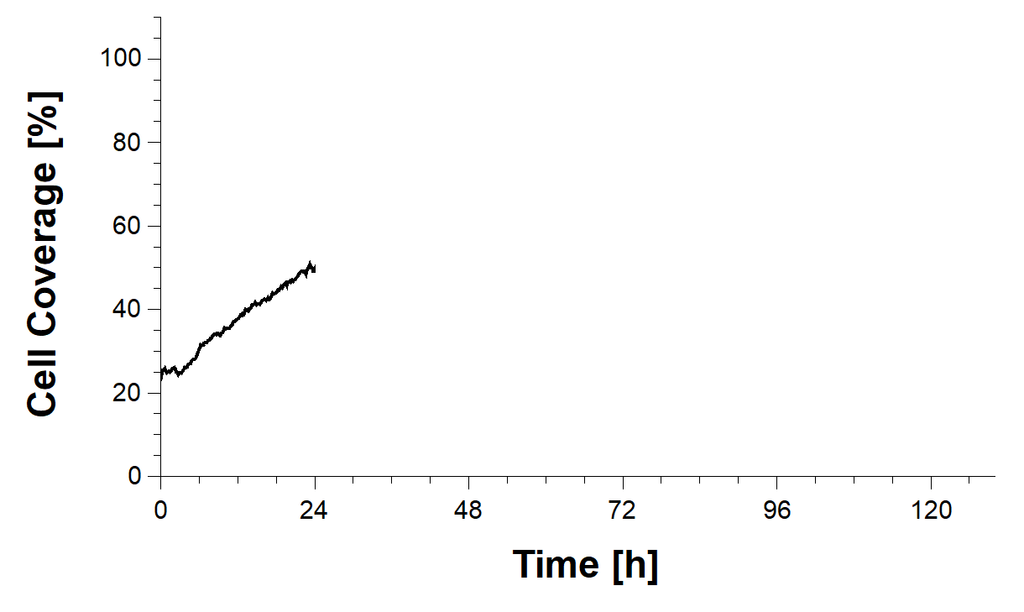
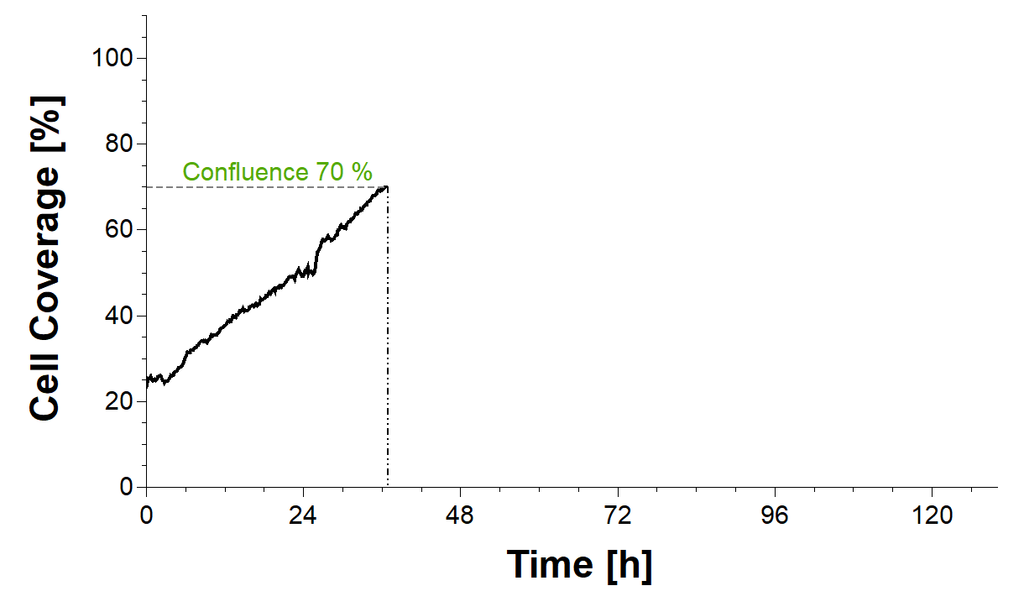
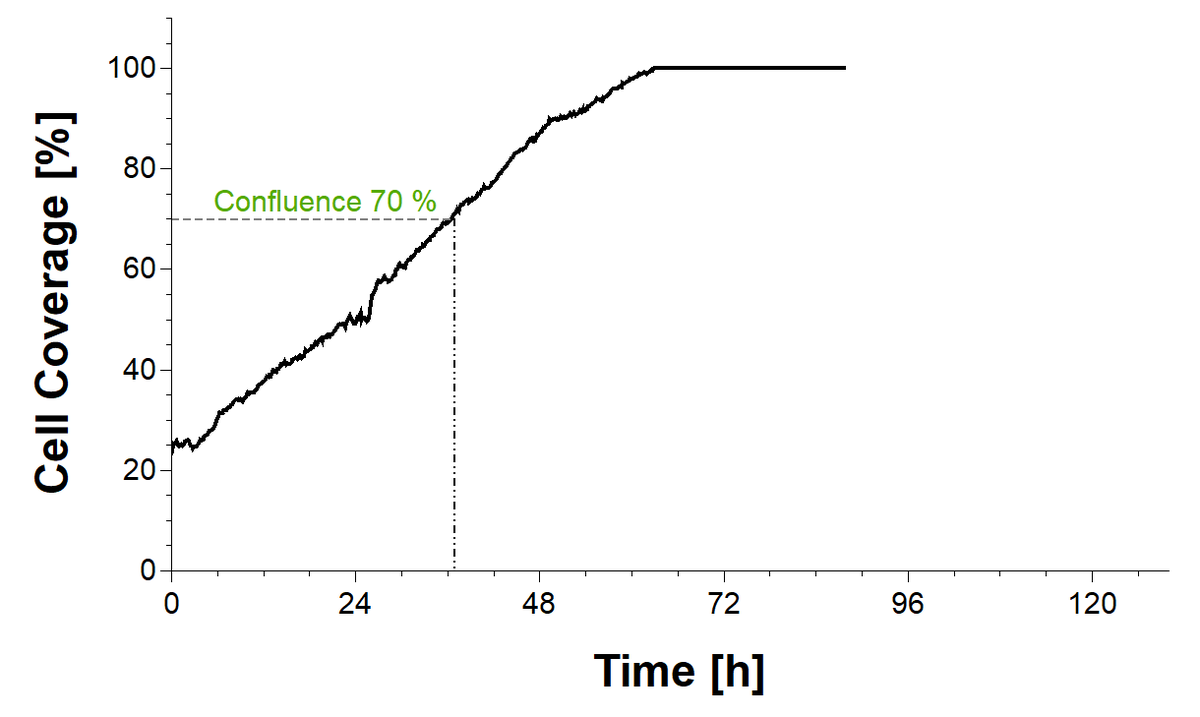
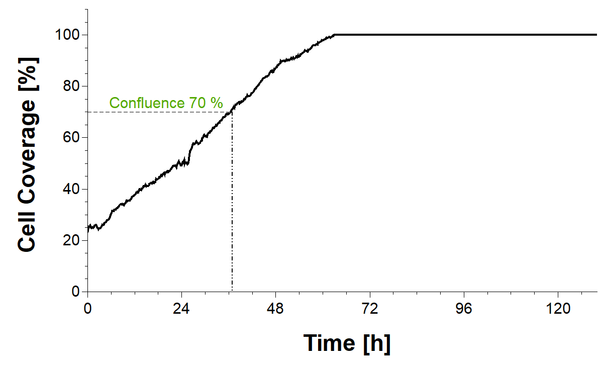
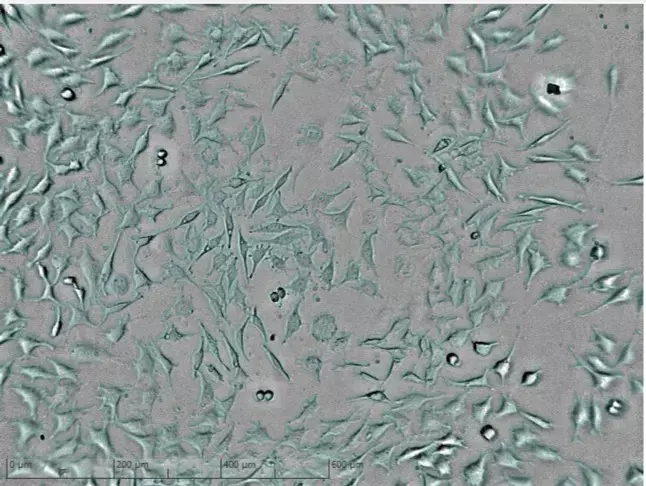
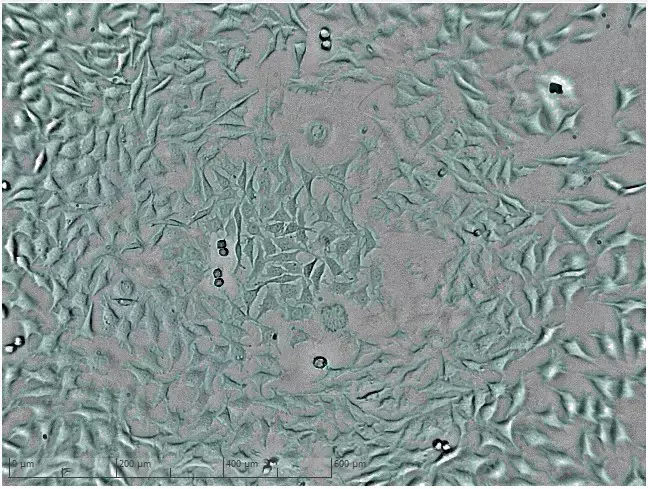
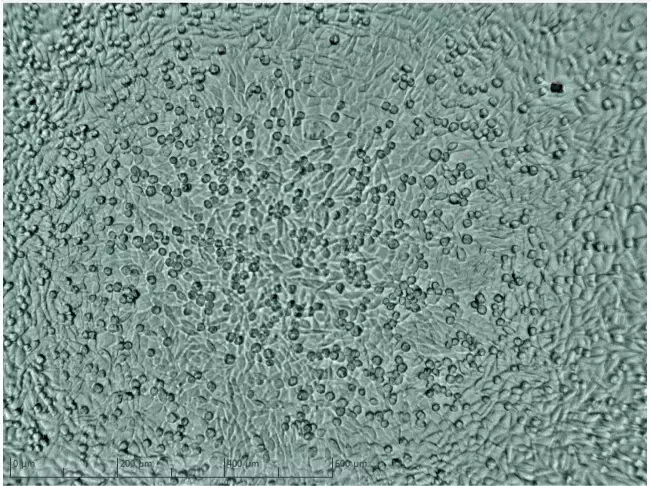
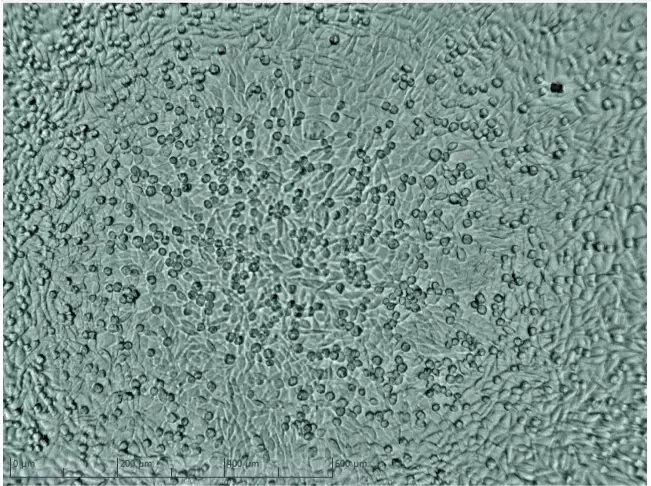
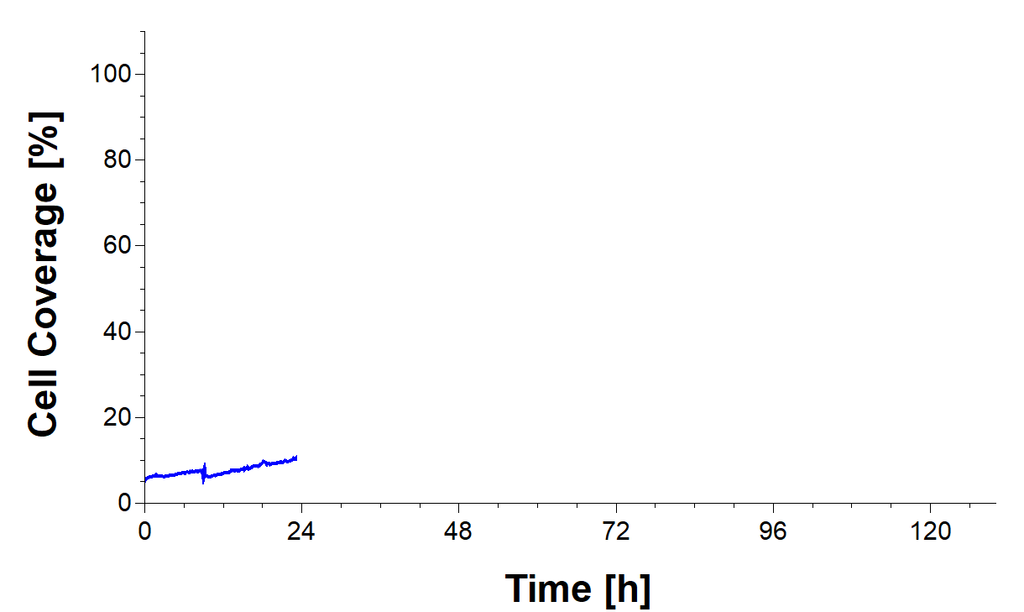
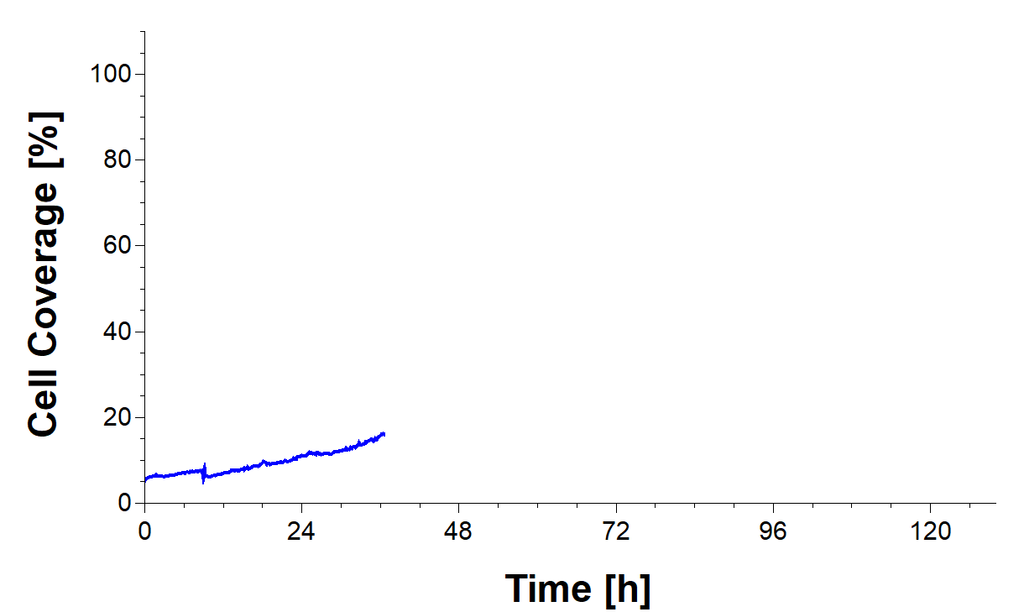
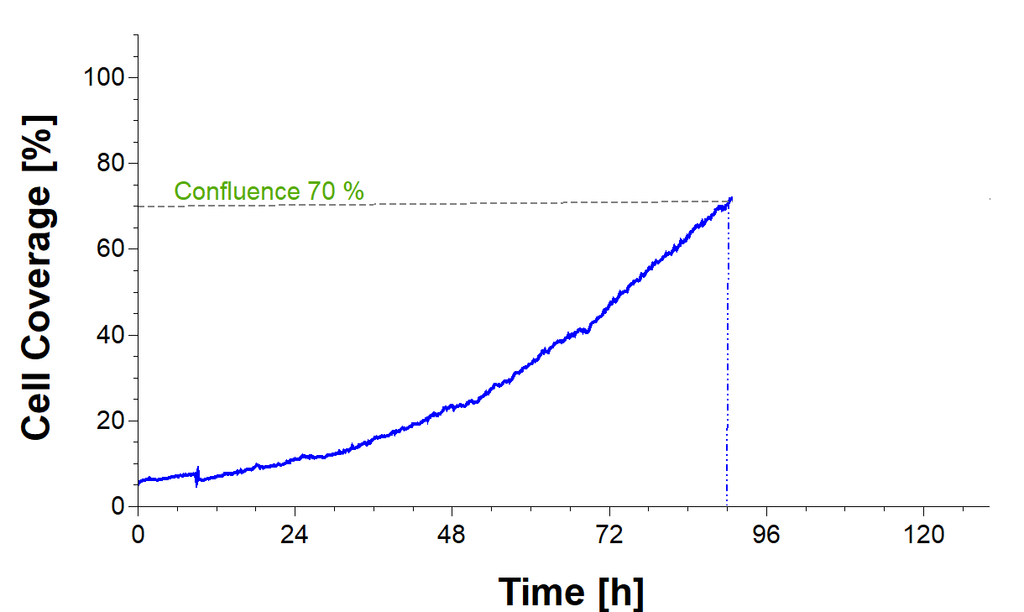
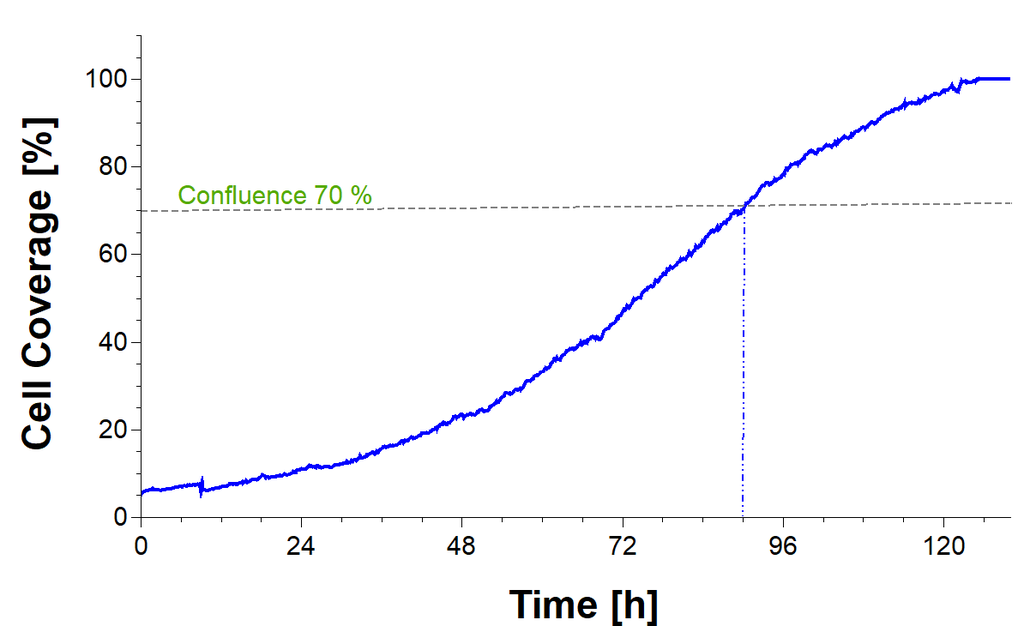
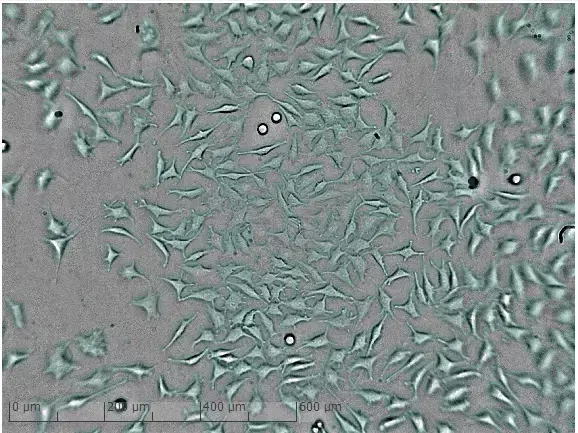
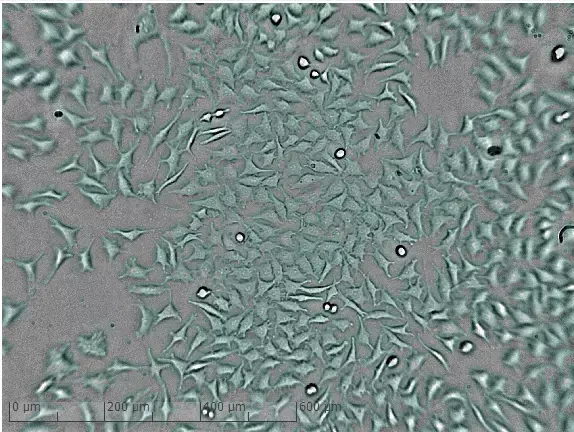
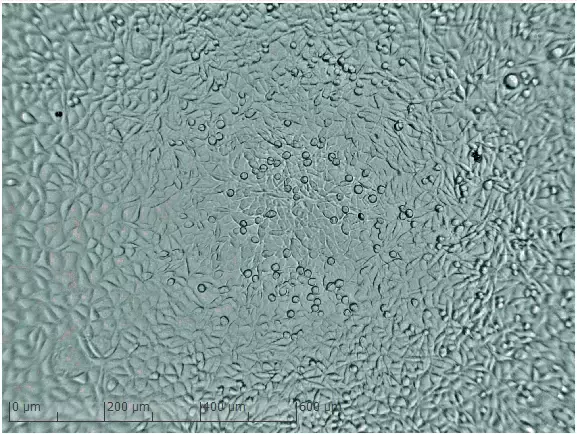
A higher number of analysed measurement time points enables more precise conclusions to be drawn about cell cultures.
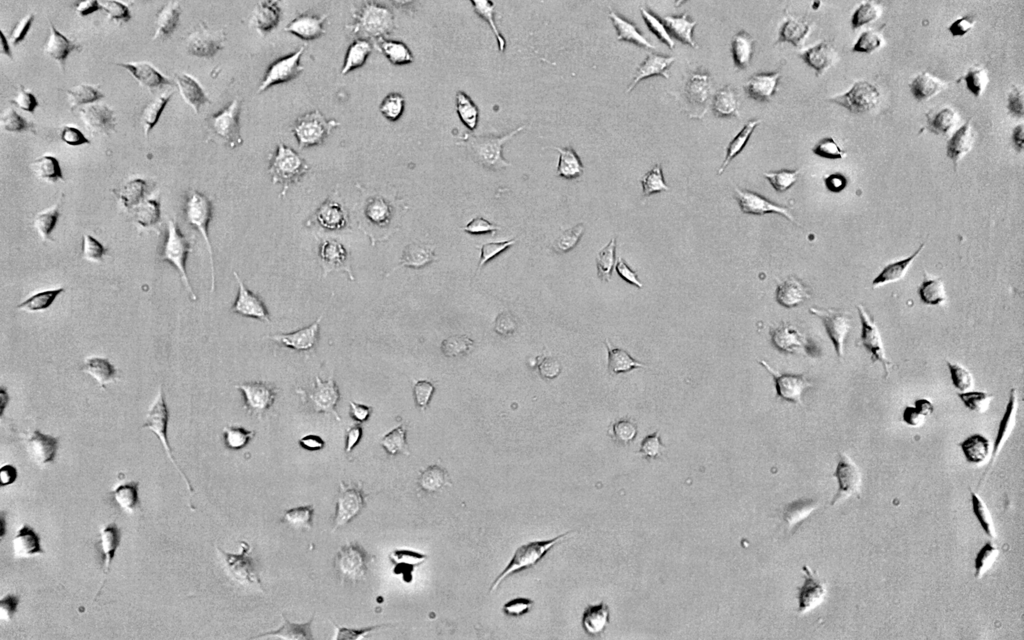
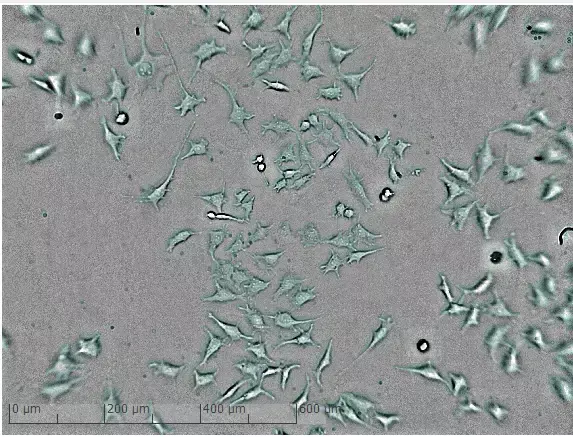
Analyse the dynamic changes and developments of your cell culture in retrospect and in detail. Do not miss any changes in cell morphology: zoom in to the single-cell level and visualise cells dividing, migrating, or dying. Examine the development of confluence in your cell cultures or the number of colonies and compare different wells directly with each other. Use time-lapse videos for your documentation.
Cytotoxicity assay
Untreated cell line
Treatment with cytostatic agent
In-vitro assays for measuring cytotoxicity are used to predict tissue-specific toxicity or to identify potential drug candidates for cancer therapies. The cytotoxicity assay is widely used in the pharmaceutical industry and is a fundamental tool in the drug discovery process. Use the zenCELL owl incubator microscope for long-term monitoring of dynamic changes in cell morphology as a result of drug treatment.
Automate multiple assays
Assess the cytotoxic effect of different substances on up to 24 cell cultures simultaneously and over long periods. Automatic, 24/7 data acquisition allows for detailed post-hoc analysis of every single time point in your cytotoxicity assay. Observe changes in morphology and confluence online and off-site. The zenCELL owl increases validity and reproducibility with less effort.
Compare different drug effects under identical conditions
Create defined and stable environmental conditions and keep cell cultures in the incubator. Analyse dynamic changes at the single-cell level and create time-lapse videos for your documentation. Compare different active substances or different concentrations of active substances under identical environmental conditions in an automated and non-invasive manner.
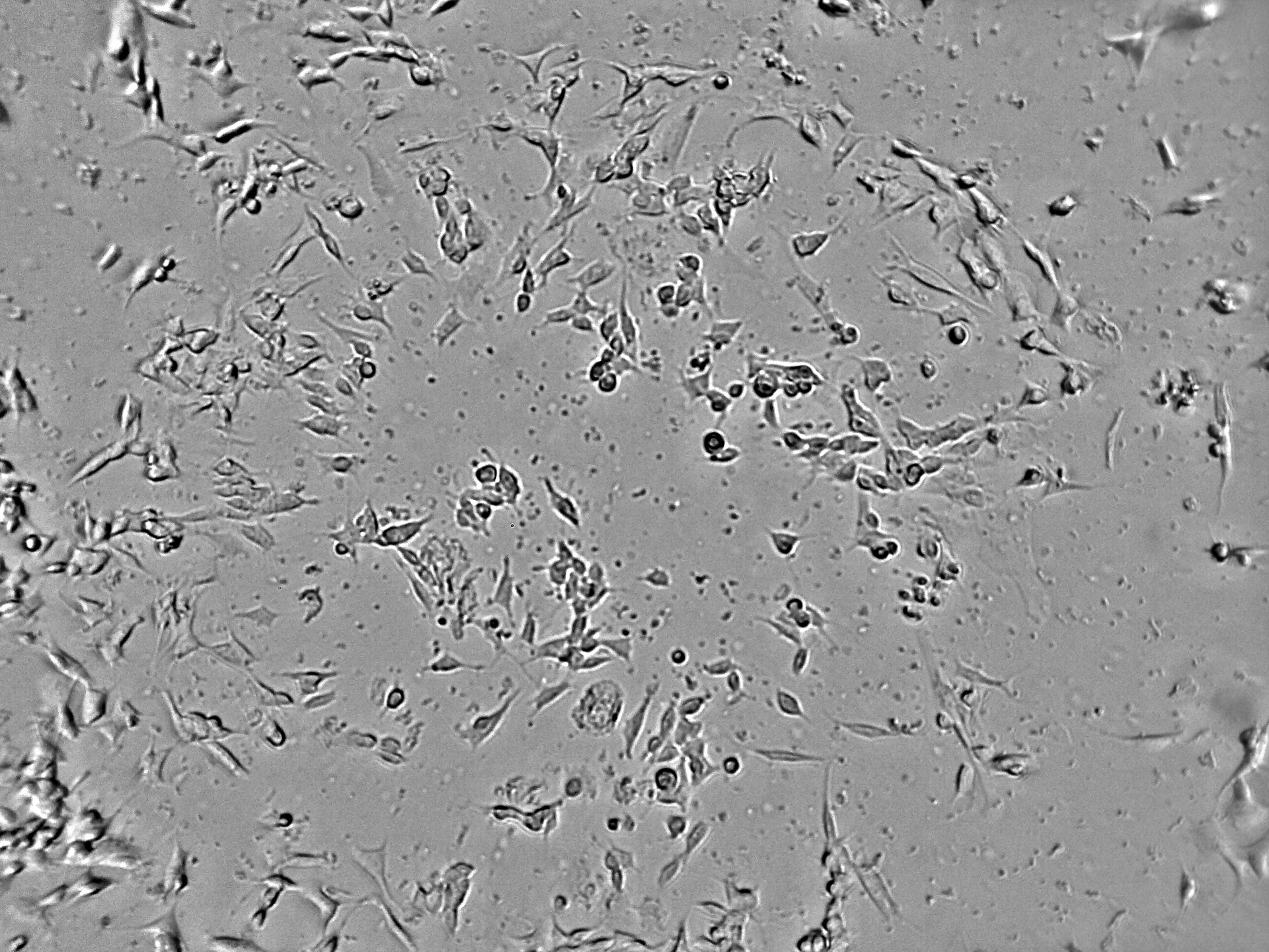
L929 mouse fibroblast cell cultures were treated with different concentrations of the cytostatic drugs chloroacetaldehyde (CAA) and doxorubicin (DOX). Drug treatment results in growth inhibition, loss of original cell morphology, and changes in intracellular granulation. Ultimately, treatment results in cell death. A time-dependent dose-response relationship can be observed for both cytostatic drugs.
CAA effects on cell morphology
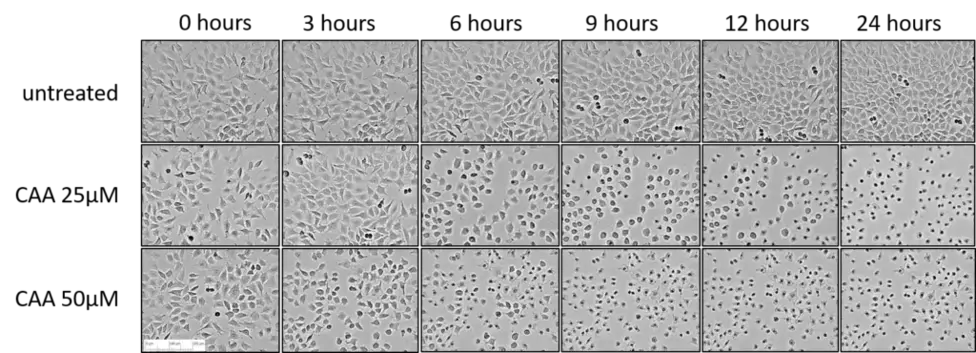
Treatment with CAA leads to dose-dependent growth inhibition, loss of cell morphology and cell death. Digital phase contrast imaging of L929 cells. Scale bar: 200 µm.
DOX effects on cell morphology
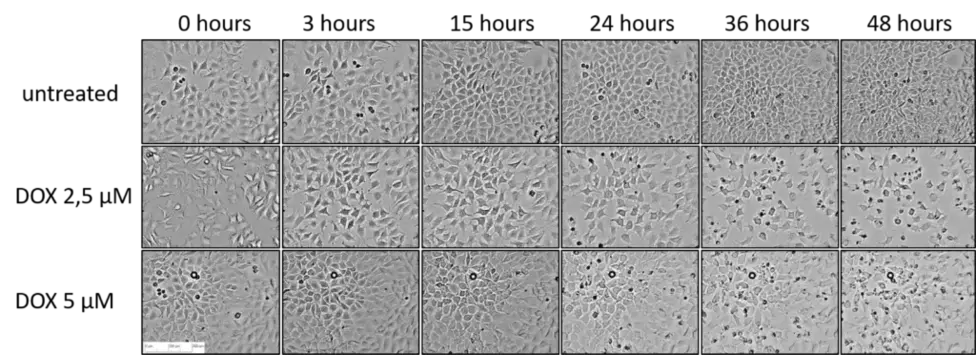
Treatment with DOX results in growth inhibition, loss of cell morphology and cell death. Digital phase contrast imaging of L929 cells. Scale bar: 200 µm.
Scratch and Migration Assay
Analyse von detaillierten dynamischen Veränderungen. Der Wound-Healing-, Migrations- oder Scratch-Assay ist eine Standardmethode zur Analyse der Zellmigration in vitro. Die Dynamik der Zellmigration in einen zellfreien Bereich, der durch direkte Manipulation oder physische Exklusion erzeugt wurde, wird überwacht und quantifiziert, um Migrationseigenschaften der Zellen zu analysieren und die Zeit bis zum Gap-Closure zu berechnen.
Dynamic data acquisition for dynamic processes
With conventional manual microscopy, it is not possible to analyse every dynamic change at the cellular level at all times. The zenCELL owl captures images at 5-minute intervals, recording every cell movement in detail – even during long-term studies.
Precise calculation of wound healing speed
Observe and control every moment and every step of the wound healing process retrospectively and in detail. Calculate the speed of wound healing by analysing the increase in confluence in the gap area.
Parallelise 24 migration assays under identical conditions
The simultaneous analysis of cell morphology and confluency in up to 24 wells under identical conditions optimises the comparability of your results and the reproducibility of your data.
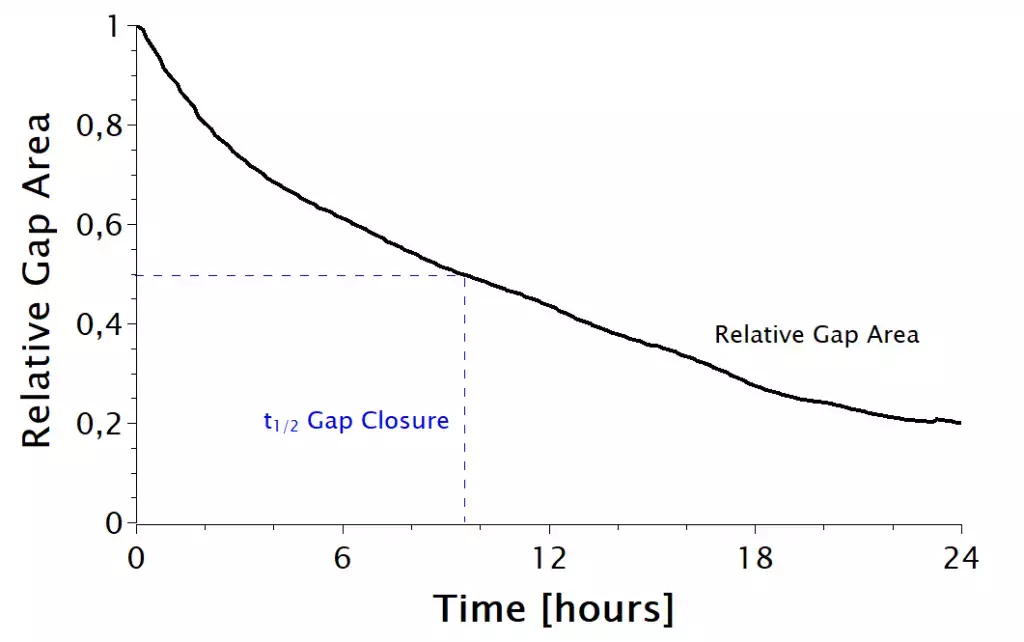
A migration assay with L929 fibroblasts was performed over a 24-hour period. The gap was introduced into a confluent monolayer using a pipette tip (0 hours). As early as 1 hour after creating the gap, cells at the edge began to migrate. Within 24 hours, cell migration resulted in the continuous closure of the gap.

Cell coverage data can be used to manually calculate the „Relative Gap Area“. If this is plotted as a function of time, the point of half gap closure (t1/2 Gap Closure) can be determined from this graph.
In vitro fertilisation
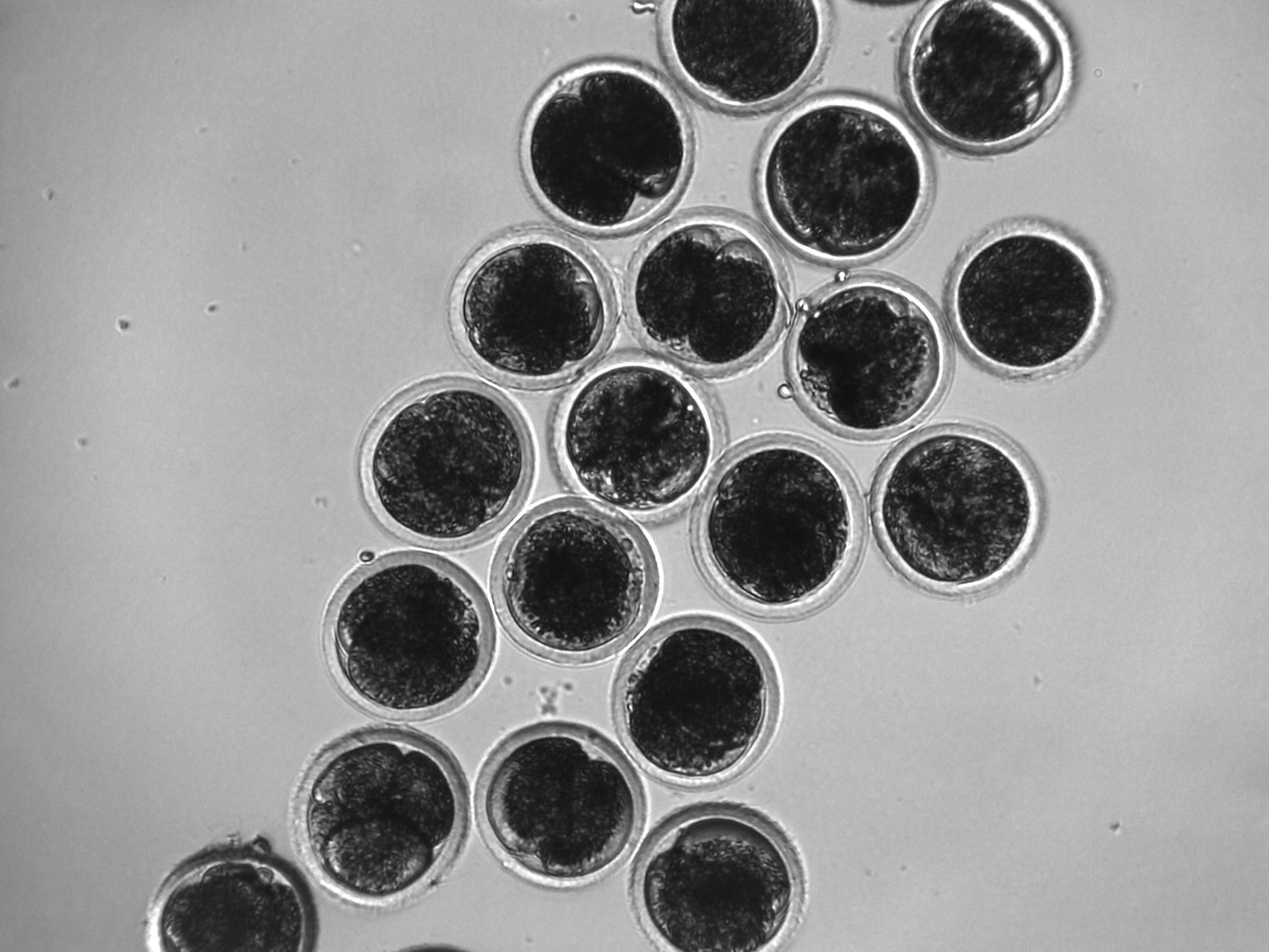
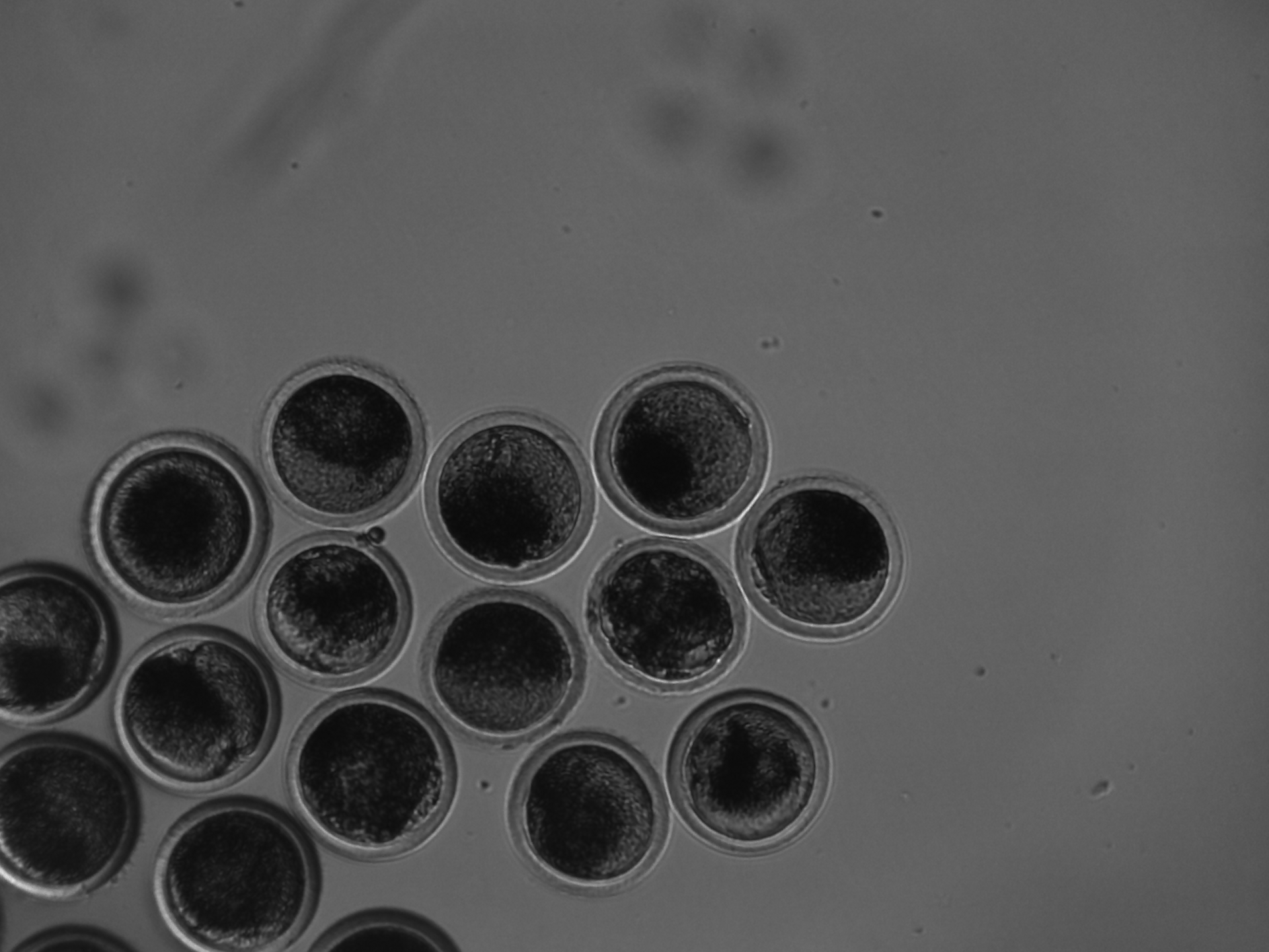
Continuous monitoring of samples in the incubator following IVF offers the advantage of reducing contamination risks while simultaneously improving embryo quality. This optimised process not only lowers costs but also increases the probability of success and reproducibility by maintaining high-quality samples and stable growth conditions.
Maintain control of cell growth and stabilise growth conditions
The owl remains in the incubator, ensuring stable environmental conditions for your samples. No opening the door for manual checks, no temperature drops, no CO₂ fluctuations.
Automation
Whether for quality control or high-throughput assays, working with a large number of samples requires automated steps and optimised processes. The owl can be integrated into your robotic and manual workflows to provide a reliable monitoring tool, for example, for cell growth.
Contact us for individual requirements!
 German
  English