End-to-end solution for migration assays
Scratch-Maker
We present a revolutionary concept for reproducible scratch-making through the innovative use of light energy. This groundbreaking technique leverages the capabilities of modern photonic technologies to create precise and consistent „scratches“ on various surfaces. This opens up new possibilities for applications in cell culture, particularly for migration, wound-healing, and scratch assays.
By using light as a tool, we achieve unprecedented accuracy and efficiency. This method therefore represents a real advance for research processes. Discover the future of scratch-making – where precision meets innovation, powered by light.
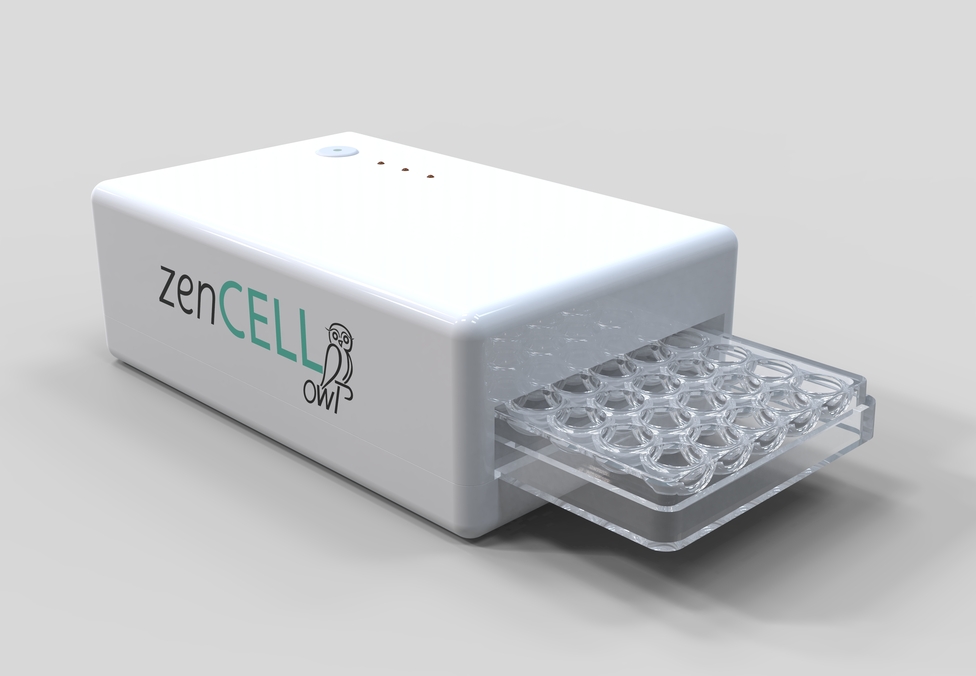
Overview of the end-to-end solution
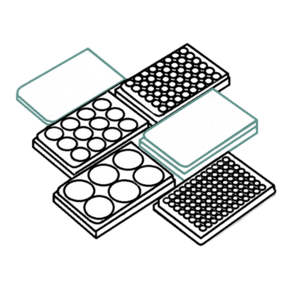
Coated Plates
Glass base plates with a specially developed coating optimised for migration assays, complemented by advanced scratch-making technology.
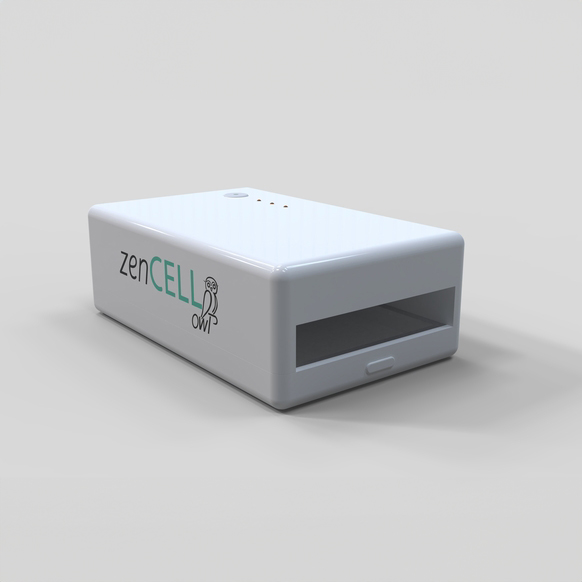
Scratch-Maker
Our specially developed Scratch Maker uses light energy to automatically create a consistent scratch always in the same position. The entire process takes just 60 seconds and is ideal for migration assays.
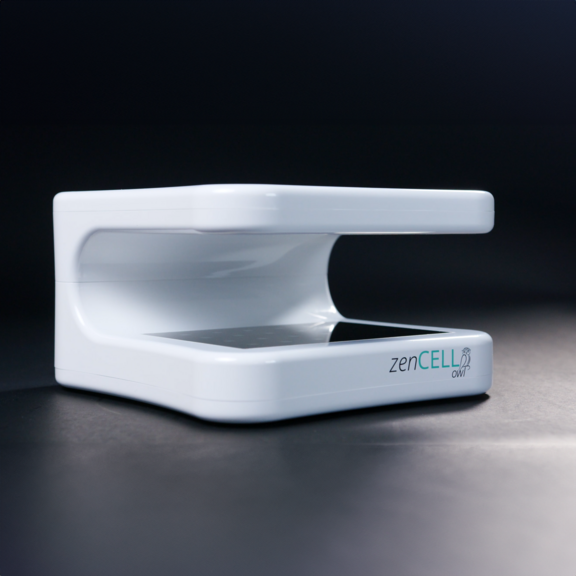
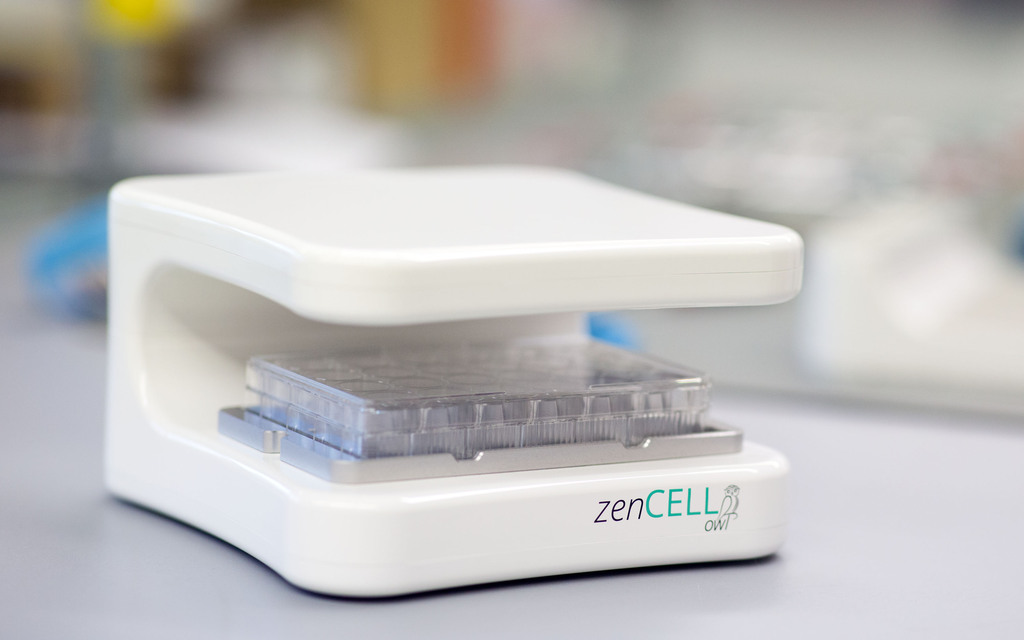
zenCELL OWL
Optimised solution for monitoring up to 24 scratch assays. With our zenCELL OWL live-cell imager, migration assays can be continuously monitored in a fixed position – for both short- and long-term experiments – directly within each incubator.
Migration Assay Process
Workflow for reproducible migration assays
Culture your cells on our coated plates with your standardised workflow.
Place your plate on the Scratch Maker and position the mask underneath. Then start the process with the press of a button or via the zenCELL OWL software – the scratch is automatically created in just 60 seconds.
Place the plate with the scratch under the zenCELL OWL (or another microscope) and start the workflow. With the zenCELL OWL, you can continuously monitor the migration directly in the incubator – for both short- and long-term experiments.
The zenCELL OWL software analyses your results in less than 20 seconds after capturing a complete image of all 24 wells. With overview, live-view and automated cell algorithms, migration assays can be efficiently evaluated.
Monitoring cell migration

 German
  English