
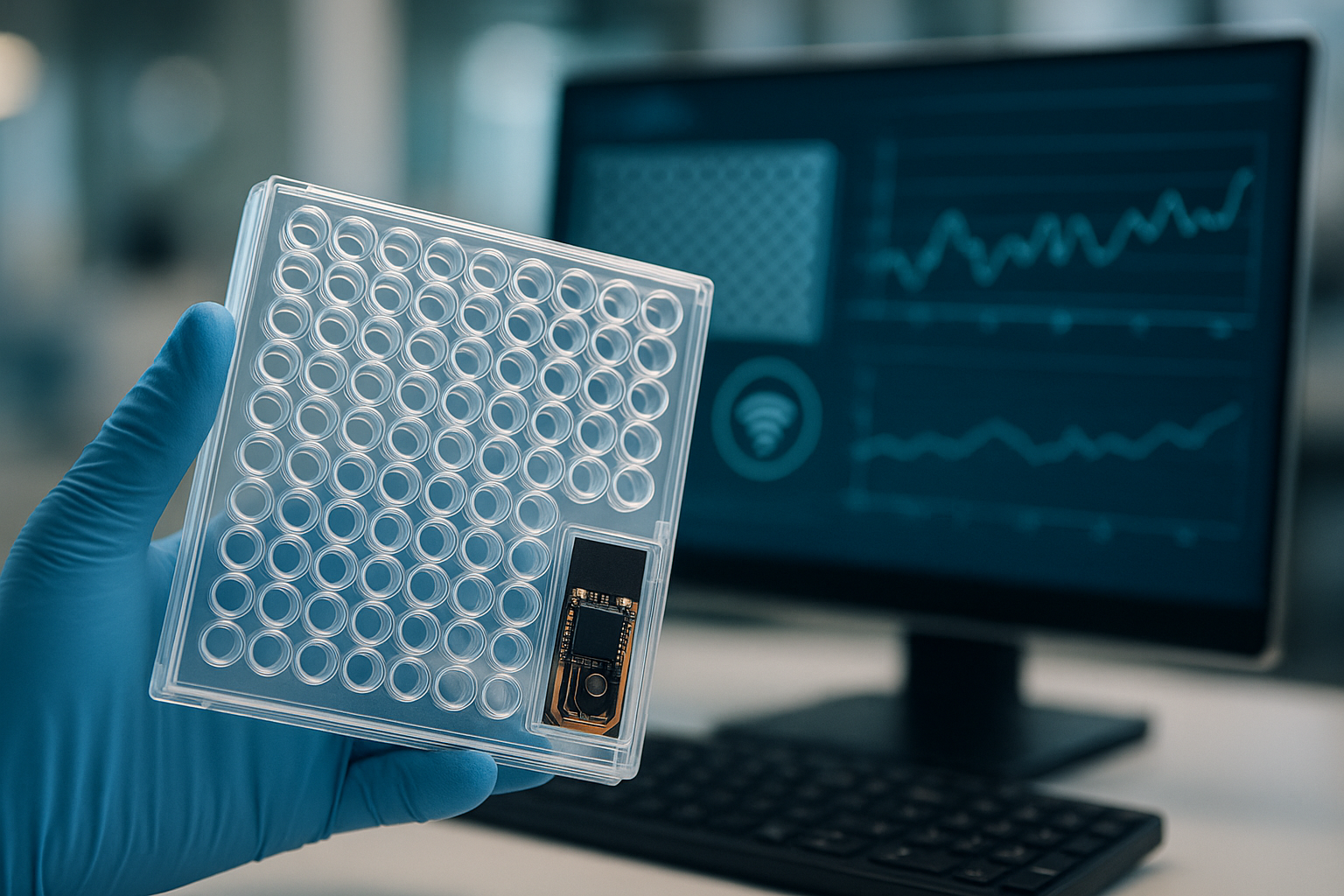
Sensor Integration in Plastic Consumables
In the realm of modern laboratory environments, the integration of sensors within plastic consumables represents a substantial leap toward enhancing data accuracy, efficiency, and sustainability. As researchers, lab managers, and biotech professionals continue to seek ways to optimize complex workflows, the fusion of advanced sensor technologies with everyday laboratory plasticware offers promising solutions. This article delves into how sensor integration is redefining lab settings, the existing challenges with traditional methodologies, and the technological advancements paving the way for innovation.
Common Challenges and Limitations of Traditional Approaches
Conventional Lab Plasticware Limitations
Traditional laboratory plasticware, despite its widespread utility, often lacks the capabilities necessary for real-time monitoring and data collection. This deficiency commonly results in several operational challenges:
- The need for frequent manual intervention, which increases the risk of human error.
- Limited scope for instantaneous data acquisition and feedback.
- Inability to integrate seamlessly with automated systems.
These constraints can significantly impede the progress of research, particularly in fields demanding high precision and rapid data turnover, such as pharmaceutical development and biotechnology research.
Technological Advances and Automation Trends
Enhancements Through Sensor Integration
The incorporation of sensors into plastic consumables heralds a new era of advanced data capability and operational efficiency. With sensors embedded directly into multiwell plates, culture dishes, and other labware, laboratories can benefit from:
- Continuous environmental monitoring of temperature, pH, and other critical parameters.
- Data collection without disrupting the experimental process, ensuring minimal sample contamination.
- Seamless integration with digital platforms for real-time analytics and decision-making.
Such innovations are pivotal in advancing automation trends, which are increasingly necessary to handle high-throughput screening (HTS) and other demanding workflows.
Practical Examples and Workflows Using Live-Cell Imaging
Live-Cell Imaging Integration
Live-cell imaging has become an integral aspect of cellular research, offering dynamic insights into cell behavior over time. By integrating live-cell imaging capabilities into plastic consumables, such as the zenCELL owl system, researchers can achieve:
- Automated and continuous monitoring of cell cultures within standard incubators.
- Enhanced reproducibility by minimizing variability introduced by manual handling.
- Improved data accuracy through consistent imaging conditions.
This integration enables more detailed exploration of cell dynamics and interactions, crucial for applications in cancer research, tissue engineering, and regenerative medicine.
How Incubator-Based Imaging Improves Reproducibility and Data Quality
Consistency and Accuracy in Data Collection
Conducting experiments within a controlled incubator environment with integrated imaging systems delivers several key advantages:
- Maintained culture conditions that promote consistent cell growth and behavior.
- Reduction in data variability due to environmental fluctuations.
- Streamlining of data acquisition with automated, high-frequency imaging.
These advantages are critical for ensuring that experimental outcomes are reliable and can be accurately reproduced across different labs and studies.
Applications in Various Research Domains
Diverse Applications of Sensor-Embedded Consumables
The deployment of sensor-integrated consumables opens new avenues across various research applications:
- Migration Assays: Real-time monitoring of cell movements and interactions.
- Organoids: In-depth study of 3D cellular structures under physiological conditions.
- Proliferation Studies: Precise tracking of cell division and growth rates.
- High-Throughput Screening (HTS): Efficiently screening vast compound libraries with minimized workload on researchers.
These applications highlight the versatility and potential of integrating sensors into laboratory consumables, marking a significant shift towards enhanced research quality and efficiency.
Continue reading to explore more advanced insights and strategies.
„`html
Real-Time Monitoring for Enhanced Experiment Control
Maximizing Precision in Experimental Settings
Integrating sensors into plastic consumables permits unprecedented control over experimental settings, enhancing the fidelity of experimental outcomes. For instance, real-time monitoring of environmental variables such as humidity and gas concentration is crucial for sensitive assays like stem cell cultures and protein crystallization, where even minor fluctuations can drastically alter results.
- Employ sensors to maintain optimal experimental conditions and ensure data integrity.
Such capabilities empower researchers to detect and adjust parameters instantly, reducing the lag traditionally associated with manual monitoring and significantly enhancing precision in data collection.
Boosting Efficiency with Automated Data Logging
Streamlining Data Collection and Management
Automated data logging facilitated by sensor integration in plastic consumables provides a seamless process for data collection and management. This automation is particularly useful in large-scale experiments, such as genome sequencing or drug testing, where vast amounts of data are generated.
- Leverage laboratory management software compatible with sensor outputs for efficient data handling.
This capability reduces the workload on lab personnel and minimizes human errors, allowing researchers to focus on data analysis and interpretation instead of data gathering.
Enhanced Safety Monitoring in Complex Environments
Ensuring Laboratory Safety Through Technological Innovation
Safety is a paramount concern in laboratory environments, especially when handling volatile chemicals or biological hazards. Sensors embedded in consumables can continuously monitor for leaks, contamination, or hazardous conditions, providing real-time alerts.
- Integrate safety protocols with sensor data to automatically enact emergency measures when necessary.
This proactive approach not only safeguards researchers but also protects sensitive experiments from being compromised by unforeseen environmental shifts.
Facilitating Remote Monitoring and Collaboration
Bringing Global Teams Together through Technology
In today’s interconnected world, the ability to conduct and monitor experiments remotely is invaluable. Sensor-laden consumables enable researchers across different locations to observe and contribute to experiments without being physically present, promoting global collaboration.
- Utilize cloud-based platforms that aggregate sensor data for broad accessibility and integration into collaborative tools.
This approach facilitates international partnerships, accelerates research timelines, and enhances the collaborative dynamics of scientific inquiry.
Advanced Utilization of AI and Machine Learning
Harnessing AI for Data Interpretation and Predictive Analytics
With sensors generating a wealth of data, artificial intelligence (AI) and machine learning (ML) algorithms become invaluable for data interpretation, enabling predictive analytics and trend forecasting. AI can identify patterns not immediately visible to human observers, predicting potential outcomes or complications in experiments.
- Implement AI tools designed to integrate seamlessly with sensor-generated datasets for enhanced predictive capabilities.
This integration can result in faster hypothesis testing, informed decision-making, and ultimately accelerated scientific discovery through intelligent data analysis.
Case Study: Revolutionizing Drug Development Pipelines
Improving Efficiency and Outcomes in Pharmaceutical Research
In pharmaceutical research, the integration of sensor technologies within drug development pipelines has already shown transformative results. Companies employing sensor-embedded consumables have reported accelerated timelines in the screening and validation phases of drug development.
- Optimize drug development by integrating sensors that monitor real-time reactions during compound testing.
This enables real-time adjustments and leads to more effective identification of viable drug candidates, reducing the time and cost associated with bringing new drugs to market.
Fostering Sustainability in Laboratory Practices
Reducing Waste and Improving Resource Efficiency
The use of sensor technology in consumables aligns with the growing demand for sustainable laboratory practices. By automating data collection and improving experimental accuracy, laboratories can significantly reduce waste—through better resource allocation and minimization of redundant experiments.
- Incorporate green practices by selecting sensor-embedded consumables with recyclable materials whenever possible.
Sustainable practices not only lessen environmental impact but also lower the operational costs of laboratories, making scientific research more economically viable in the long term.
Next, we'll wrap up with key takeaways, metrics, and a powerful conclusion.
„`
„`html
Ensuring Data Security and Integrity with Sensor Technologies
Protecting Sensitive Information in Scientific Research
In the realm of scientific research, maintaining the integrity and security of data is more crucial than ever. Sensor technologies embedded within plastic consumables play a pivotal role in safeguarding sensitive information. These sensors provide an additional layer of security by ensuring only authorized access to critical data.
- Adopt encrypted data transmission from sensors to prevent unauthorized access and mitigate data breaches.
By securing data at the source and throughout its transmission, laboratories can protect intellectual property, ensure compliance with data regulations, and preserve the authenticity of research findings.
Customizing Sensor Integration for Diverse Research Needs
Adapting Technology to Fit Unique Laboratory Requirements
The adaptability of sensor technology allows for customization to meet the specific needs of varying scientific disciplines. Whether it’s optimizing conditions for microbiological growth, monitoring pH levels in chemical reactions, or adjusting temperatures for materials science, sensor-integrated consumables can be tailored accordingly.
- Work with technology partners to develop bespoke sensor solutions that align with your laboratory’s unique goals and challenges.
This customization not only improves the relevance of the technology to particular research applications but also enhances overall efficiency by providing precise control over experimental parameters.
Bridging the Gap Between Research and Real-World Application
Accelerating Translation from Laboratory to Market
By implementing sensor technologies, laboratories can significantly improve the translation of scientific research into real-world applications. The precise data and enhanced process controls offered by sensors aid in bridging the gap between experimental findings and their practical application, particularly in industries such as pharmaceuticals, biotechnology, and environmental science.
- Utilize sensor data to validate and refine pilot studies, ensuring readiness for market deployment.
This approach leads to faster commercialization of scientific innovations, thereby enhancing their impact on society and economy.
Conclusion
As we have explored, the integration of sensor technologies in plastic consumables represents a monumental leap forward in both the precision and efficiency of scientific research. Key takeaways include the enhancement of experimental control through real-time monitoring, the streamlining of data collection via automated logging, and the reinforcement of safety protocols in complex laboratory environments. Furthermore, the facilitation of remote monitoring fosters global collaboration, while the application of AI and machine learning introduces predictive analytics that quicken the pace of discovery. By addressing sustainable practices, we also emphasize the critical intersection of innovation and environmental responsibility.
The article illustrates how sensor-embedded consumables are transforming laboratory operations while prominently serving the goals of precision, safety, collaboration, and sustainability. These technologies not only advance scientific capabilities but also redefine research as a more secure, efficient, and valuable endeavor. As laboratories continue to adopt these methodologies, they pave the way for breakthroughs that could significantly alter numerous fields of study.
Embracing sensor integration involves more than technological evolution; it is a commitment to the future of science where rapid, accurate, and safe research becomes the norm. Consequently, we encourage researchers and laboratory professionals to explore and integrate these advancements actively. By doing so, they contribute to a more sustainable, innovative, and collaborative scientific landscape—one that holds unprecedented promise for addressing the critical challenges of our time and beyond.
„`
 German
  English
Leave a Reply